The housing affordability crisis is driven, in part, by high construction costs, labor shortages, and long development timelines. While additional funding remains essential, cost and capacity constraints in the construction sector limit how far funding alone can go.
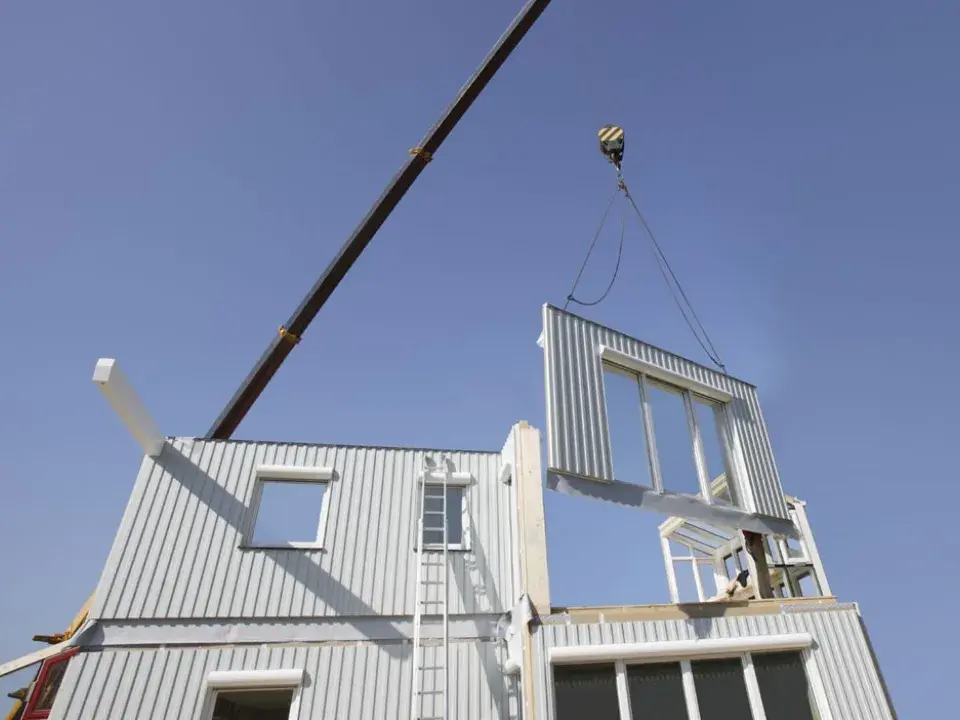
Modular and other forms of off site construction offer a practical and innovative way to build housing faster and more efficiently. Across the country, these approaches are already delivering tangible benefits — but scaling them proves challenging due largely to policy and regulatory barriers.
Drawing on recent research and reporting, these four lessons outline where modular construction is today and how we can bring its benefits to scale for the long term.
1. Scaling Modular Starts with Clear, Consistent Policy Rules
Modular and prefabricated construction have advanced significantly in recent years, but uneven regulatory frameworks across jurisdictions continue to slow broader adoption. “3 Ways to Scale Modular and Prefab Construction” highlights how inconsistent permitting, inspections, and code interpretation can create friction, particularly when housing components are manufactured in one location and assembled in another.
The resource underscores the need for clearer, more consistent standards that allow work completed in certified factories to be recognized across jurisdictions. Without this policy alignment, the time and cost savings modular construction can deliver are often undermined by duplication and delay.
The piece also points to the importance of financing tools designed around modular construction’s front‑loaded cost structure. Together, regulatory clarity and fit‑for‑purpose financing form the foundation for scaling modular housing beyond isolated projects.
2. The Biggest Barriers to Scale Are Structural, Not Technical
While modular construction’s performance is increasingly well documented, structural barriers continue to constrain its growth, the white paper “Overcoming Barriers to Bringing Off‑Site Construction to Scale” finds.
Through interviews with developers, architects, fabricators, and policymakers, the resource identifies persistent challenges related to financing, risk perception, and regulatory complexity. Traditional construction lending is tied to on‑site progress, while modular construction requires capital earlier in the process — often when work is happening off‑site in factories that lenders and inspectors are less familiar with.
The report is clear in its conclusion: modular construction is not a silver bullet for housing affordability. However, when financing and regulatory systems are better aligned with how off‑site construction actually works, modular housing can meaningfully reduce costs and delivery timelines.
3. Modular Scales Best When Integrated into Existing Housing Systems
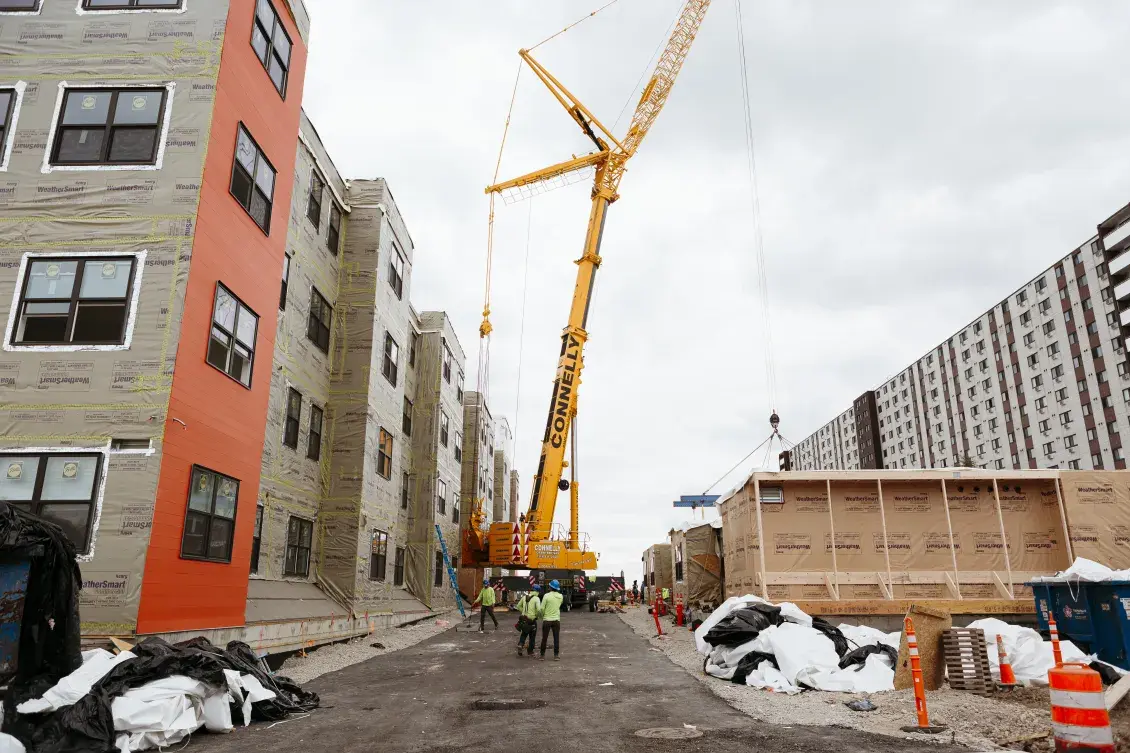
Addressing these barriers does not require rebuilding housing delivery systems from scratch. Several jurisdictions and private entities have taken steps to make it easier to build multifamily housing off site.
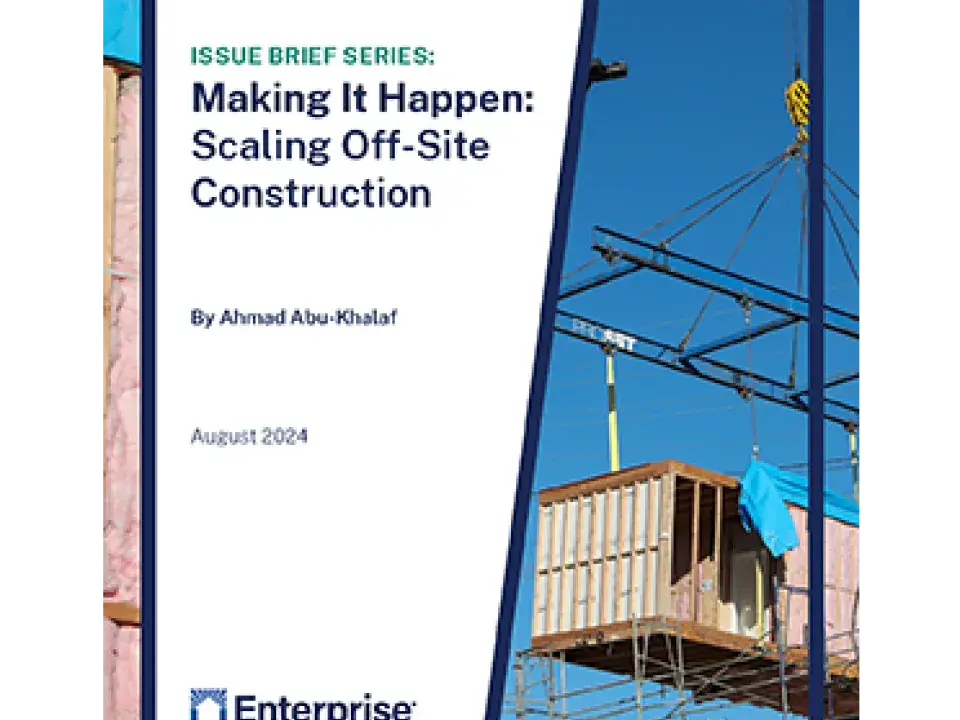
Making It Happen: Scaling Off‑Site Construction — the second entry in an issue brief series focused on opportunities to scale affordable housing innovations — highlights regulatory reforms that would make it easier to leverage off-site construction and opportunities to tailor financing products to its unique needs.
4. Construction Innovation Must Be Paired with Workforce Innovation
Even with aligned policy and financing, housing production cannot scale without a skilled workforce. Innovations Tackle Labor Shortages and High Housing Costs broadens the conversation, highlighting how labor constraints continue to drive up construction costs and limit housing supply.
The article showcases innovative models that link housing development with education, training, and career pathways in the building trades. These efforts not only address immediate labor shortages but also strengthen long‑term capacity in the construction sector.