About HUD Funding
The Department of Housing and Urban Development (HUD) is an essential agency in resiliency and disaster recovery. HUD provides flexible grant dollars through the Community Development Block Grant (CDBG) program to over 3,300 communities across the nation annually.
Two HUD programs support resiliency and disaster recovery efforts:
- CDBG – Disaster Recovery (CDBG-DR)
- CDBG – Mitigation (CDBG-MIT).
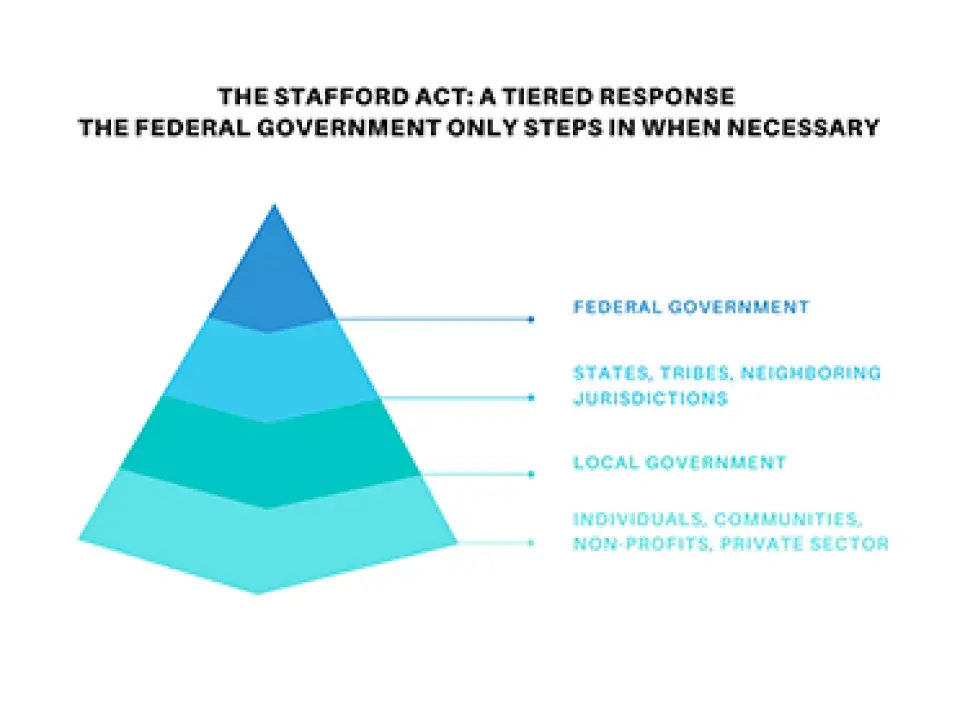
When disasters strike and the President declares a disaster, Congress allocates CDBG-DR funds to States and Tribal governments to help them recover, especially in low- and moderate-income areas. CDBG-MIT is funding created to support long-term mitigation.
How Disaster Recovery Funding Works
State and local governments rely on CDBG-DR to rebuild housing, infrastructure, and the economic base after major disasters. The program serves as the bridge between disaster relief and long-term recovery as well as provides a safety net for those without resources and access to other Federal funds.
Typically, no less than 70 percent of CDBG-DR funds must benefit people from low- and moderate-income (LMI) households. HUD measures this as serving census tracts in which more than 50 percent of the population has an annual income less than 80 percent of the area median income. HUD’s income calculator can help you understand who would fall into this category.
CDBG-DR comes in addition to Federal Emergency Management Agency (FEMA) assistance, insurance, disaster loans, and emergency assistance. The disaster recovery grants are especially critical in the most catastrophic disasters when prior sources leave unmet needs. It’s particularly important to note that state and local entities cannot use CDBG-DR for anything covered by other Federal funding sources.
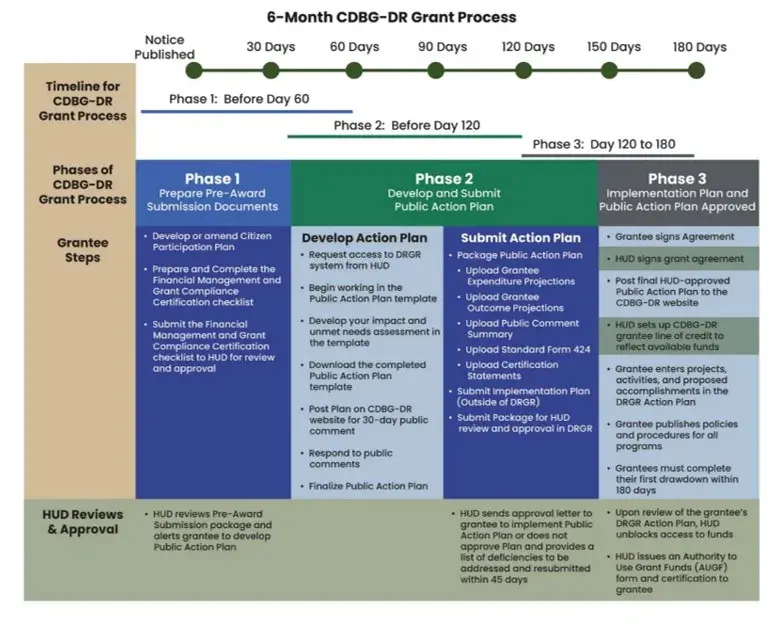
CDBG-DR has become the second-largest vehicle for disaster recovery funds after FEMA Disaster Relief programs. CDBG-DR appropriations have markedly increased in size and frequency in the past decade to help states and local governments manage the growing cost of disasters. Since the program’s inception in 1992, CDBG-DR has received more than $100 billion, and since 2017 alone, CDBG-DR has received $39.4 billion for disaster recovery and mitigation. Here’s a fact sheet from HUD has essential information about CDBG-DR requirements.
HUD awards CDBG-DR funds to State governments, who can then subgrant funds to local governments. CDBG-DR grantees must write an Action Plan detailing their unmet needs and how they will use their funds and meet Federal requirements. Local subgrantees are also required to submit Action Plans to the State agency charged with administering CDBG-DR funds, which is the Department of Housing and Community Development (HCD) in California.
The Action Plans describe unmet needs and how the State and local subgrantees will spend the funding. It is a critical roadmap for the community to allocate Federal dollars. To create the Plan, community leaders develop priorities. A community’s Mitigation Plan is a handy tool to inform the Action Plan as well. State and local subgrantees can amend Action Plans with updates and new issues
Sample Action Plans
- State of California State Action Plan following 2018 wildfires
- Puerto Rico Disaster Recovery Action Plan following Hurricane Maria
- NYC Action Plan following Superstorm Sandy
How Mitigation Funding Works
CDBG-MIT is funding created to support long-term mitigation. “Mitigation” activities are defined as activities that increase resilience to disasters and reduce or eliminate the long-term risk of loss of life, injury, damage to and loss of property, and suffering and hardship by lessening the impact of future disasters.
The CDBG-MIT program is a unique and significant opportunity for eligible grantees to use assistance in areas impacted by recent disasters to carry out strategic and high-impact activities to mitigate disaster risks and reduce future losses.
There are a variety of activities that can help mitigate risk, including:
- Adaptation strategies to help adapt infrastructure and housing to the changing environment, through green infrastructure
- Stormwater management and site strategies
- Renewable energy to mitigate power loss
- Community planning
- Community resilience hubs
The mitigation objectives and efforts align with other Federal programs that address hazard mitigation to create a more cohesive effort at the Federal, State, and local level.
These mitigation projects aim to reduce the risk to community services that benefit human health and safety or economic security from being severely affected by natural disasters.
Goals of the CDBG-MIT program:
To keep communities safer and stronger, the CDBG-MIT program works toward the following goals:
- Support data-informed investments, focusing on the repetitive loss of property and critical infrastructure
- Build capacity to comprehensively analyze disaster risks and update hazard mitigation plans
- Support the adoption of policies that reflect local and regional priorities that will have long-lasting effects on community risk reduction, including risk reduction to community lifelines and decreasing future disaster costs
- Maximize the impact of funds by encouraging leverage, private/public partnerships, and coordination with other Federal dollars.
Accessing Mitigation Funds
To receive CDBG-MIT funds, states must submit an action plan, which should align with the state’s hazard mitigation plan. Action plans should use the FEMA Lifelines framework to ensure that all lifelines in a community will be safe.
Lifelines are the essential services that keep our communities running and safe. They include things like fire protection, search and rescue, food, water, shelter, agriculture, health care, energy, communications, transportation, and hazardous materials safety.
Impact on Frontline Communities
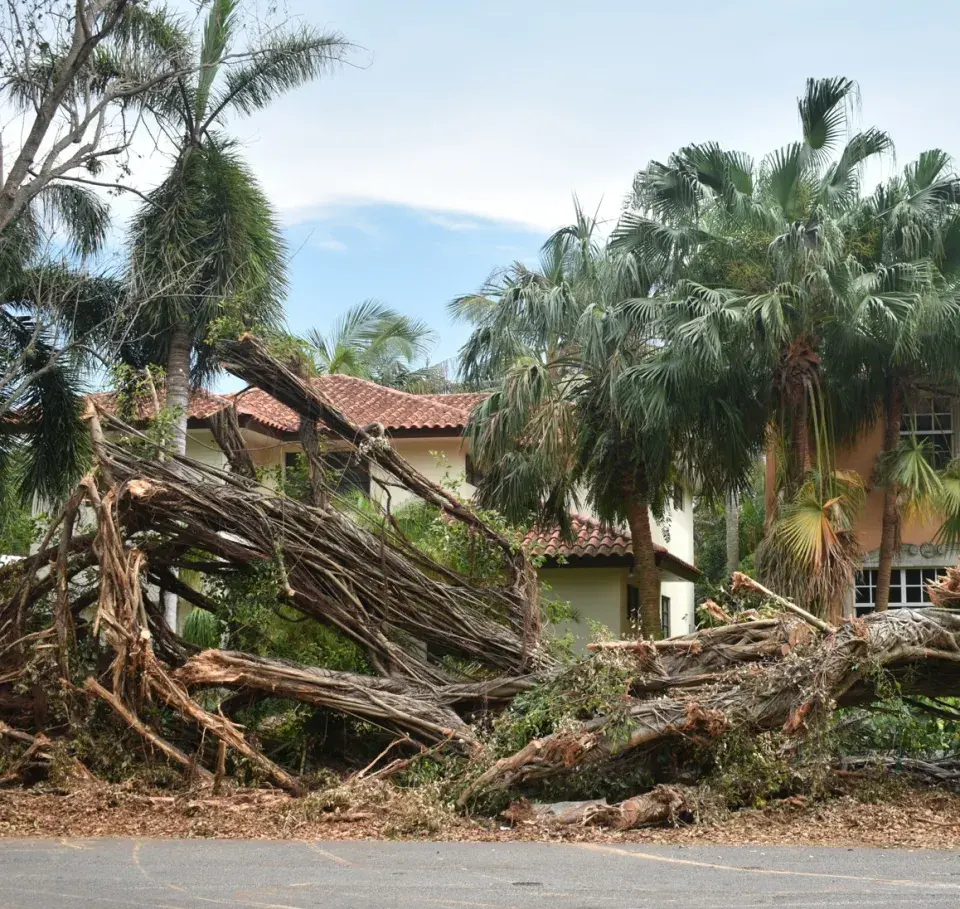
CDBG-DR is not codified in Federal law, and each time when a disaster is declared, there is a long process to get the money to survivors. This lengthy process is particularly devastating for frontline communities who might not have any other means of recovering from a disaster.
Despite the lack of standing authority to provide funds to disaster-impacted states and localities, CDBG-DR's role in post-disaster recovery continues to grow among the various Federal disaster response and recovery programs. However, the ad hoc arrangement of CDBG-DR makes the certainty of funds and transparency of the process more confusing for states and local governments that need the money.
By working together, community groups, government agencies, and philanthropy can strengthen the process to ensure recovery resources better serve frontline communities.
For community-based organizations and affordable housing providers
- Participate in the processes done by the local, state, and federal agencies to assess damages, which is critical in the allocation of CBDG-DR funds. This assessment is only as good as the data they have, and you can provide crucial information that they wouldn’t otherwise have in their documentation. Start with your local Office of Emergency Services to learn more about this process.
- Provide public comment on action plans posted by HCD. Contact HCD to make sure you have the timeline and speak up on whether the plan adequately addresses community needs.
- Use your voice to advocate for comprehensive changes to the CDBG-DR process to make it faster and more equitable. Check out recent reforms in disaster recovery in the Senate.
For local and state government
- Ensure that you are aware of and have a strong understanding of CDBG-DR and other recovery resources before disaster strikes. Build relationships with administering agencies at the state and federal levels.
- Work with frontline communities to understand the extent that their needs will be unmet by other disaster assistance. Prepare to present accurate needs to HUD.
- Create data-sharing partnerships with FEMA, the Small Business Association, community-based organizations, and large charities so everyone understands whose needs are being served by all funding sources. CDBG-DR can only be used to meet needs unmet by other sources of funding
- Create a pre-disaster recovery plan in partnership with frontline communities, planners, housing experts, and social service providers. Be aware of recovery resources, such as CDBG-DR, before disaster strikes and leverage them to serve community members better.
- Use these resources for pre-disaster recovery planning from the Metropolitan Transportation Commission and Association of Bay Area Governments.
- Use CDBG-DR to upgrade infrastructure to be more resilient to future disasters. For example, incorporate renewable energy sources into building construction.
- Learn the many complex rules in using HUD and FEMA programs. For example, many forget that you can use CDBG-DR as the match funding for other federal assistance programs. State agencies like the Office of Planning and Research or the California Office of Emergency Services can offer opportunities for jurisdictions to learn about and conduct coordinated pre-disaster recovery planning together.
For philanthropy

- Philanthropy can serve a sustaining and longer-term role in disaster planning, both before and after disaster strikes.
- Local government often doesn’t have the time, resources, or capacity to do pre-disaster recovery planning. It’s often one of the items on their long to do list that gets put off. Philanthropy should provide planning grants to both public agencies and community organizations to conduct pre-disaster planning together.
- CDBG-DR takes a long time to arrive in frontline communities. Philanthropy is much faster and more flexible and can serve as a bridge to CDBG-DR funding. Make multi-year commitments to a community-based organization and support relief and long-term recovery. Here’s a great example of philanthropic commitment to disaster recovery at the Latino Community Foundation.
- Ultimately, there are never enough resources given to frontline communities after a disaster. Create a strategy to remain committed to a place even after funding comes through from other sources.
- Use your voice to advocate for comprehensive changes to the CDBG-DR process to make it faster and more equitable. Contact your Congress members and discuss with them the Reforming Disaster Recovery Act.
The Learning Center’s resources and all data and information provided therein (collectively, “Content”) are for general informational purposes only. All Content is provided “as is” and may no longer be current or up to date. Enterprise Community Partners, Inc., its subsidiaries and affiliated entities (collectively referred to as “Enterprise”) as well as any co-authors of any Content disclaim all liability for any errors or omissions and make no warranties or representations of any kind, either express or implied, regarding the accuracy, adequacy, validity, reliability, availability, or completeness of any Content presented. All Content should be independently verified by you before relying on it. The Content does not constitute professional advice or services (including but not limited to legal, financial, tax, or investment advice).
- Training