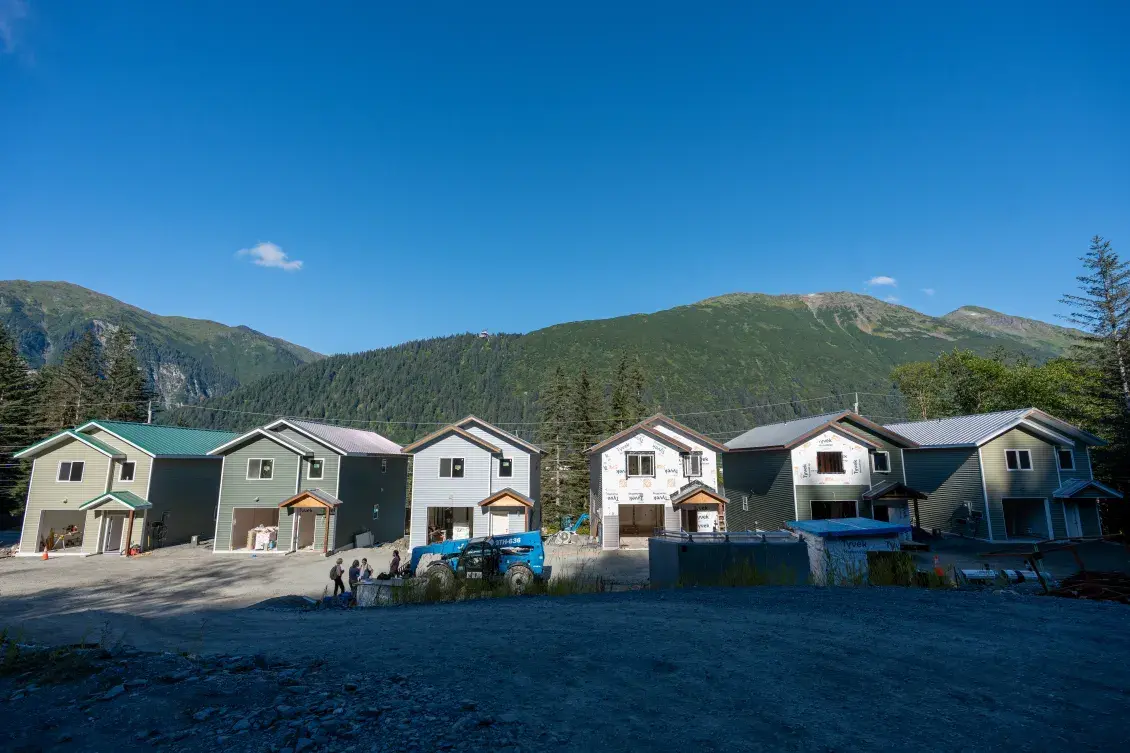
Over the past two decades, Jackie Pata watched as young people, many living in in households with three or four families, left tribal land seeking affordable homes and job opportunities. Now, she’s happy to see more young families putting down roots in their Southeast Alaska tribal communities with the support and inspiration of a homeownership innovation she calls “transformational.”
“We have new homes in almost every one of our communities right now,” said Pata, CEO of Tlingit Haida Regional Housing Authority and Haa Yakaawu Financial Corporation, a Native Community Development Financial Institution (CDFI) in Juneau, Alaska. “We have younger families who would have left the villages and are now in critical jobs in their community.”
The Success Starts with Me program aims to provide tribal citizens in rural Alaska the chance to own their own homes on tribal lands. Participants gain access to home loans with individualized down payments, payback schedules, and financial education courses.
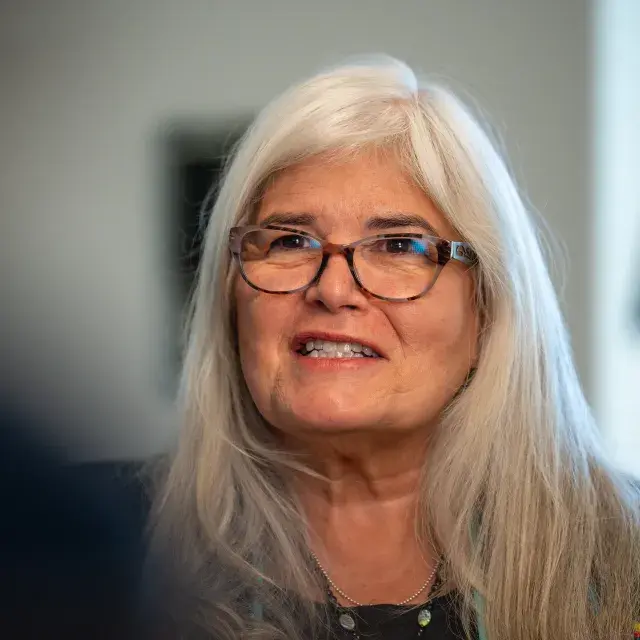
The program is a 2023 winner of the Housing Affordability Breakthrough Challenge, an innovation competition administered by Enterprise and made possible with the generous support of Wells Fargo. The challenge is designed to identify, support, and scale housing solutions. With the support of a $2 million grant, Tlingit Haida Regional Housing Authority aims to support more than 100 families in the Juneau region – including in some of the region’s most remote villages, accessible only by seaplane or ferry.
“Our goal is to be able to help people build on their own property, so that it’s their land and they’re building their home on it,” Pata said.
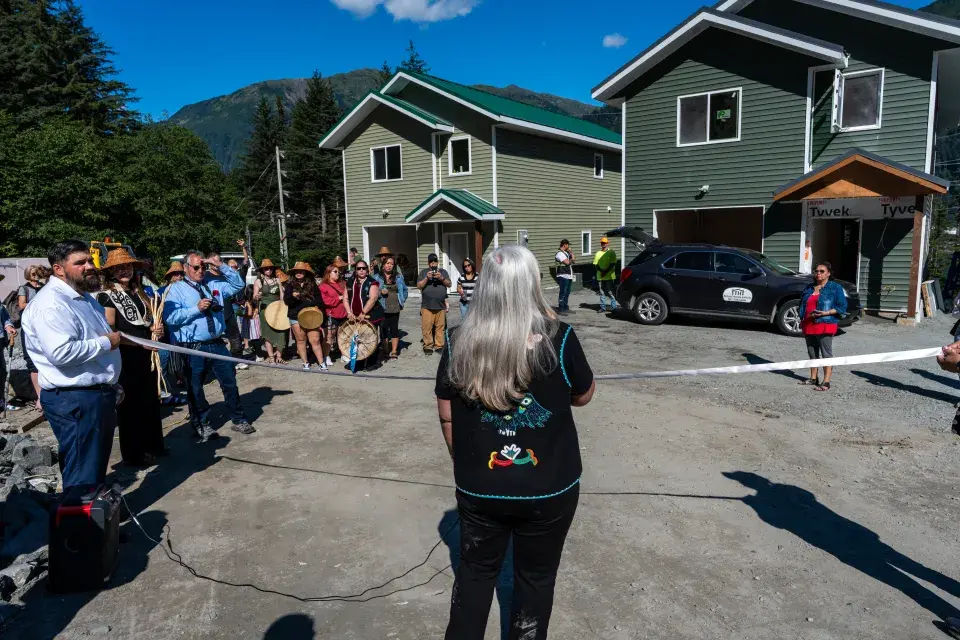
We spoke to Pata recently about the origin of Success Starts with Me. Here, in her words, she discusses the program's origins, what makes it innovative, and how it's helping to reinforce community and preserve tribal culture in rural Alaska.
How the homeownership innovation emerged
We first created Success Starts with Me to provide financial education for our staff, and then quickly realized we wanted to make homeownership a real option for the broader communities. We had been doing lease-to-purchase programs but that didn’t give people a real sense of ownership and equity. We wanted to make sure that, in our communities, people really felt like they were going to the bank and getting a mortgage.
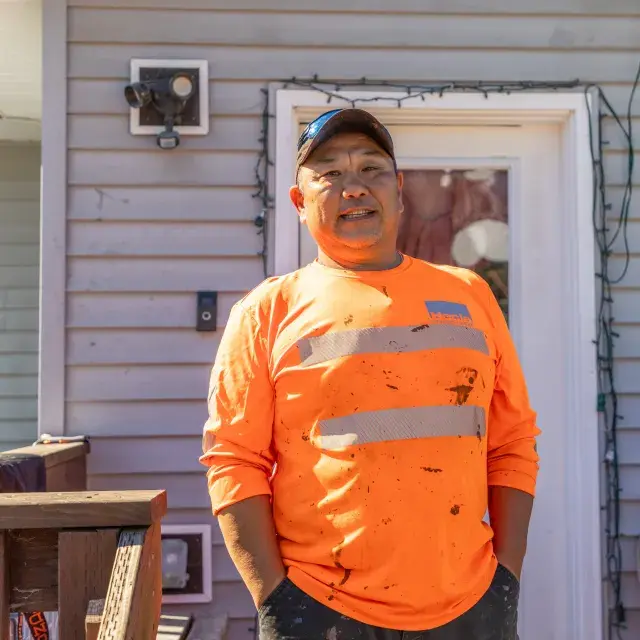
We created a program specifically for people earning 80% and less of median income, who could qualify under a HUD grant. We really wanted a product that was going to meet that homeowner where they are, and that meant working with them on their credit building.
Sweat equity was also important, to create an opportunity for people to instantly feel connected with their home, to be part of the building, and to understand the mechanics of their home. Ultimately, it was about trying to find ways to make the home more affordable for them. And the more work that they put in, the less their home was going to cost at the end of the day.
What makes this program innovative
We're changing the dynamic of how housing is delivered for generations to come. And what’s most important is that clients are part of the solution.
In 2019, our communities said in a survey that homeownership was the number one priority, and more affordable housing was the second priority. We have worked with the tribes to apply for grants and in many cases even provided the land. Sometimes they provided the equipment that we used to do the site development – everything to help make it become more affordable.
Success Starts with Me participants have to demonstrate they will take care of their homes. They have to participate in the financial education classes and the maintenance classes upfront. All of this creates a sustainable model year after year.
We’re taking it slowly and deliberately, building two houses at a time in a village, using local labor to the extent possible.
At the same time, we’re creating employment opportunities and building skills in the community. Some of the homeowners were apprenticed in our program and then they rose to become carpenters.
Response from community members, tribal leaders, and potential homeowners
Some people were nervous at the beginning because it was a new approach for many to think about owning and maintaining their homes and having the skillsets to do that.
But once we started, you could see that the younger generation was enthusiastic about it. And the enthusiasm just started to spread, especially among young families who want to raise their children in their village so they can stay connected to their families and culture.
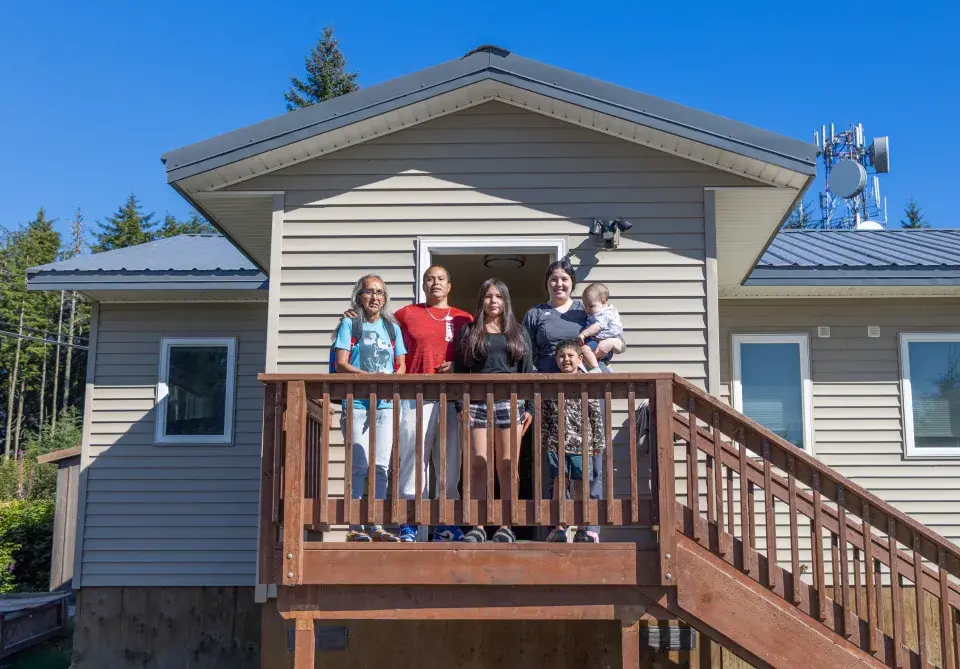
Tribal leaders want their citizens to succeed, and some were enthusiastic from the get-go even though there were some concerns about the cost of construction and the appraised value. Overall, everyone has been very responsive about wanting to be part of the solution.
Measurable impact
We have new homes in almost every one of our communities right now. We have younger families who would have left their villages and are now staying, and they're all in critical jobs in their community. They are health care workers, school employees, they work for the tribe, they work for the city. They would not have stayed there if they didn't have these homeownership and career opportunities.
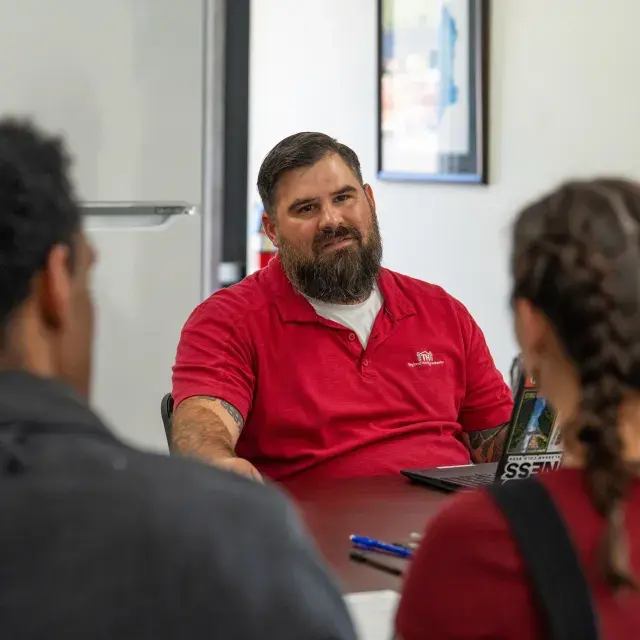
More than that, their repayments come back to Haa Yakaawu, our CDFI, and that money gets cycled again for more loans for somebody else, and eventually, for their children.
And now when I go into the communities, people are excited and they want to sign up for our financial education classes and our one-on-one coaching. It's becoming an essential part of the way we do our business.
Helping people stay rooted in their community, while developing skills
In the last 20 years, we have seen a significant decline in population, and it has been crippling our villages. Some of the schools were at risk of closing. And the tribes had just a couple of workers who had the skill levels to do what they needed to do.
We were at a crisis point, and that's why our tribe said affordable housing is so important. Not only is it a priority for our tribes and our villages, but it’s also actually become a priority for Southeast Alaska.
We want to create the freedom for people and our tribes to choose what's best for our community. That’s what this program is all about.
Learn more about the Housing Affordability Breakthrough Challenge.