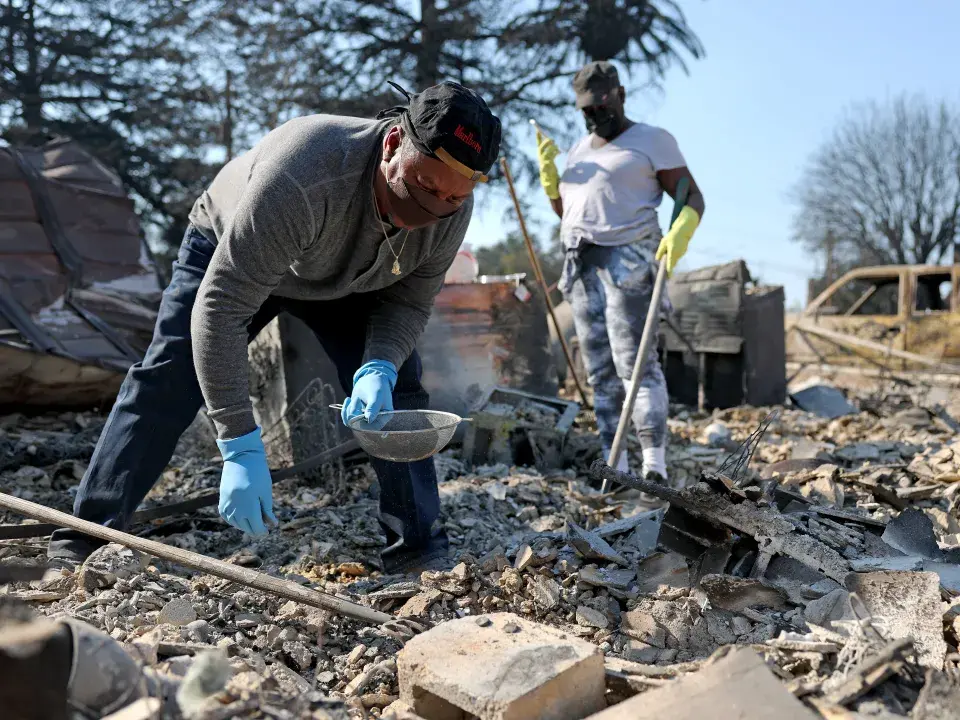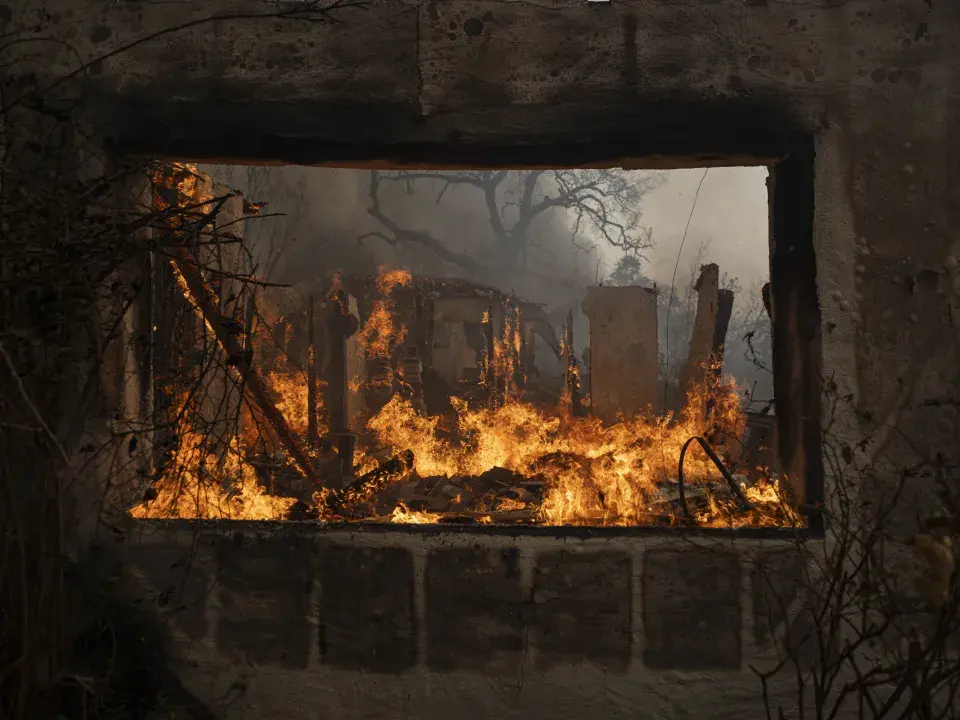
On January 7, 2025, devastating wildfires of historic proportions ripped through Los Angeles County, upending thousands of lives in the hours and days that followed. A year later, nearly 12,000 lots have been cleared, but the journey to recovery is far from over. Burn scars still stretch through the Pacific Palisades and Altadena, and while some survivors have begun rebuilding, many remain displaced, entangled in red tape, and waiting for insurance payments.
As we mark the one-year anniversary, we reflect on what was lost, what has been accomplished, and what still needs to be done. Over the past year, community organizations, first responders, and individuals have stepped forward to support survivors during this time of crisis. As we move into the next stage of recovery, Enterprise will stand with survivors and partners to ensure the rebuilding process is both equitable and resilient.
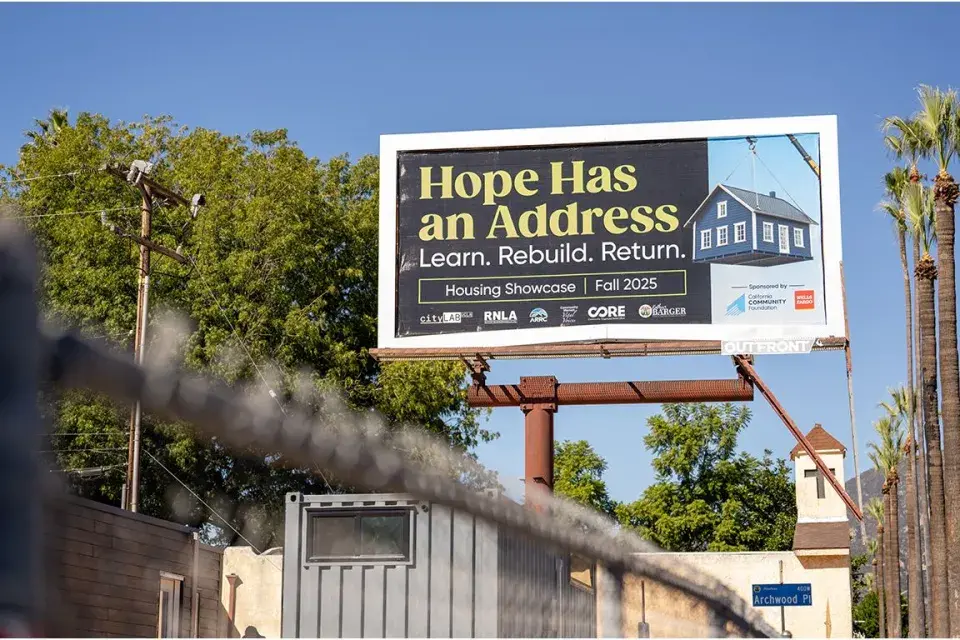
The Road to Recovery
The road to recovery has brought emotional exhaustion, financial strain, and uncertainty for survivors of the Eaton and Pacific Palisades fires. We are honored to support those impacted as they begin the long and often overwhelming process of rebuilding their lives. And we are partnering with mission-aligned organizations to ensure recovery is guided by community needs and creates lasting stability for all residents.
Equitable rebuilding must reflect the histories, cultures, and identities that shaped these communities long before the wildfires. Through our work, we aim to restore neighborhoods once rich in multigenerational households, cultural traditions, and diverse incomes into even stronger, more resilient places. While most affected structures were single-family homes, our work supports residents across all housing types and income levels. In the Eaton fire area, 25% of residents were renters, and half of whom were rent burdened. In the Palisades fire area, 22% were renters, with 48% rent burdened.
A rebuilding strategy is not complete unless it supports a full spectrum of households. Enterprise is partnering with local CDFIs, non-profit and for-profit developers, community land trusts, and public agencies to ensure diverse housing needs are met as we move into medium- and long-term recovery. Through coordination, technical assistance, capital, and advancing policy solutions, we are creating a path for those impacted to return home, rebuild stability, and reclaim their futures while supporting the broader affordable housing ecosystem.
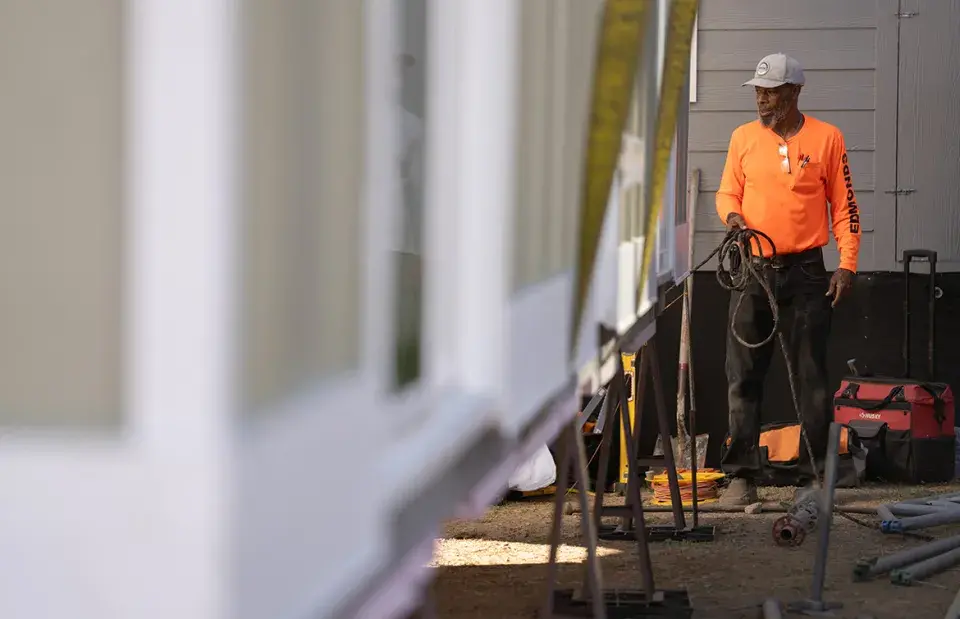
Capacity Building: Serving Impacted Communities and Beyond
For many residents, the fires threatened the already scarce number of affordable homes. Rebuilding efforts must prioritize a balanced housing ecosystem that includes options for residents of all income levels. Building on decades of experience in climate resilience, disaster recovery, and housing development, Enterprise is working directly with local affordable housing developers and equipping them with the tools, training, and hands-on support needed to direct available resources toward an equitable rebuild.
In collaboration with The Center by Lendistry and Office Of: Office, Enterprise will help launch an Information Hub to support rebuilding efforts for those impacted by the Eaton Fire. The Hub will be a centralized, user-friendly website providing single-family homeowners, mobile homeowners, renters, and nonprofit partners with access to toolkits, webinars, and a calendar of events. Together, these critical resources are designed to simplify the rebuilding process.
As part of this partnership, Enterprise will also host seven interactive webinars to empower survivors with practical tools and guidance throughout recovery and rebuilding, with the first in the series on Wednesday, February 25. This work is made possible through generous support from Wells Fargo, BMO and U.S. Bank.
Capital: Holding and Developing land for the Community
Many homeowners are struggling financially, juggling the mortgage on a fire-damaged empty lot while also paying for temporary housing. As we approach the one-year anniversary, many will be forced to make the "go or no go” decision between rebuilding or selling their lot. In cases where a sale cannot be avoided, Enterprise is partnering with mission-aligned developers to identify and acquire lots that can be held in trust for displaced households or rebuilt with community members in mind.
According to Strategic Actions for a Just Economy, corporate entities owned about 14% of parcels in Altadena before the fires. Since the fires, they have purchased 50% of the properties sold. Without intervention, Altadena’s affordability is at risk, since private investors can move quickly and outbid mission-aligned developers. By blending capital from the Enterprise Community Loan Fund with philanthropic and private sources, we launched an acquisition fund to make low-cost financing available to support equitable rebuilding efforts. While we are starting with acquisition financing, Enterprise is prepared to meet the financing needs of our partners as they evolve.
Advocating for Policies that Protect Residents
Public policy decisions will help determine what residents are able to return home, how quickly rebuilding happens, and whether communities emerge stronger than before. Displaced homeowners who want to rebuild and impacted renters should have the resources and local protection needed to afford a return. In 2025, Enterprise joined local partners to advocate for $200 million in state funding to acquire fire-damaged properties in Altadena. In 2026, we will continue to support these efforts to prevent the permanent displacement of impacted residents and ensure that community ownership and affordable living can be preserved.
We will also continue to advocate for:
- Streamlined development that supports affordability and climate resilience
- Expanded state and local investments in wildfire mitigation to allow residents to make essential repairs and fire-resistant upgrades
- Insurance solutions that protect homeowners, renters, and multifamily properties that have limited affordable coverage options
- Increased higher-density that permits affordable housing in safer, lower-risk commercial corridors
- Gentle density policies that give communities the power to increase housing supply and expand affordability without altering neighborhood character
Bridging the gap between community needs and regional decision-making
Rebuilding without community input can erase culture, displace families, and deepen existing inequalities. Residents who were directly impacted want and deserve to be heard, which is why Enterprise is bringing together survivors, community partners, and system leaders to co-design solutions and advance a shared vision for the future. Through this work, we aim to facilitate a creative and collaborative space for survivors and local leaders to build a shared vision, set priorities, and develop a resilience plan grounded in both hope and practicality.
Rebuild Challenges
The rapid site clearance has given many residents hope that they may be able to return home sooner than expected. However, many experts are concerned that safety may have been compromised during debris removal. Researchers from UCLA, Loyola Marymount, and Purdue have found that nearly 49% of the lots tested in Altadena still had elevated lead levels in the soil.
Financial challenges are also a major challenge to recovery. Many residents were underinsured or uninsured, and insurance payout will not cover the cost to rebuild. The federal support that could help close these gaps remains extremely limited. California has requested forty million dollars in federal aid, but that request has yet to be approved. Every delay leaves families stuck between rising costs and dwindling options. And since many low-income residents and seniors live on fixed incomes and have modest savings, these challenges make the road to recovery even more overwhelming.
Mission-driven partners are working tirelessly to support survivors, but they are doing so under extreme pressure. Land is being sold faster than acquisition capital can be assembled, and when a site is finally secured, the long, uphill battle of reconstruction begins. Partners are struggling to secure scarce predevelopment dollars, absorb escalating construction costs, and engage survivors in ways that honor their trauma and rebuild trust.
Protecting our Communities from Future Wildfire
The LA wildfires underscored the devastating impact on communities and infrastructure that come with increasingly severe and frequent disasters. It is an unfortunate truth that this will not be the last wildfire to threaten our region. Disaster researchers and practitioners describe this dynamic as the “disaster continuum,” meaning that disaster mitigation, preparedness, response and recovery is a process that continuously repeats itself, and communities are always in at least one part of the cycle. As fire-impacted communities look to rebuild, it’s vital that such efforts include strategies to protect homes from future disaster while planning for insurability and keeping costs feasible for homeowners. Strategies to protect our communities from future wildfires can include:
- Home hardening can help mitigate against wildfires by utilizing fire-resistant building materials such as Class A roofs, non-combustible siding, tempered glass windows, and ember-resistant vents, among other measures.
- Defensible space creates a buffer zone around a home to slow or stop the spread of fire while also giving firefighters a safer area to defend your property.
- Prescribed burning is a proactive resilience strategy that reduces risk to housing before fires start, protecting housing, saving money on insurance and reconstruction, and preserving our housing stock.
- Insurability planning is a strategic process to improve a community’s access to affordable insurance and can include identifying and mitigating risks that may lead to high insurance costs or limited insurance availability.
Read more about these strategies and others through Enterprise’s Stronger Together Disaster Resource Guides. To continue the conversation on sustainability, building decarbonization, and wildfire resilient building practices, we invite you to join our Resilient Housing LA series on February 18 and March 4, from 10-11:30am. For more information about registration, please contact Sydney Smanpongse.
Ruby Harris, Michael Claproth, Sydney Smanpongse, and Araceli Palafox contributed to this article.