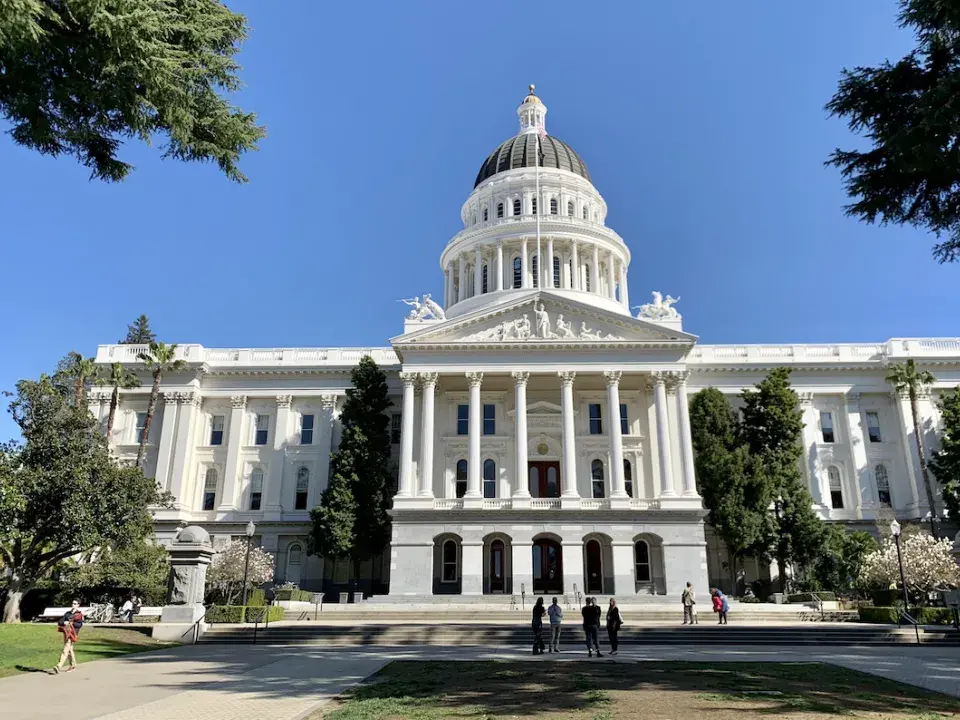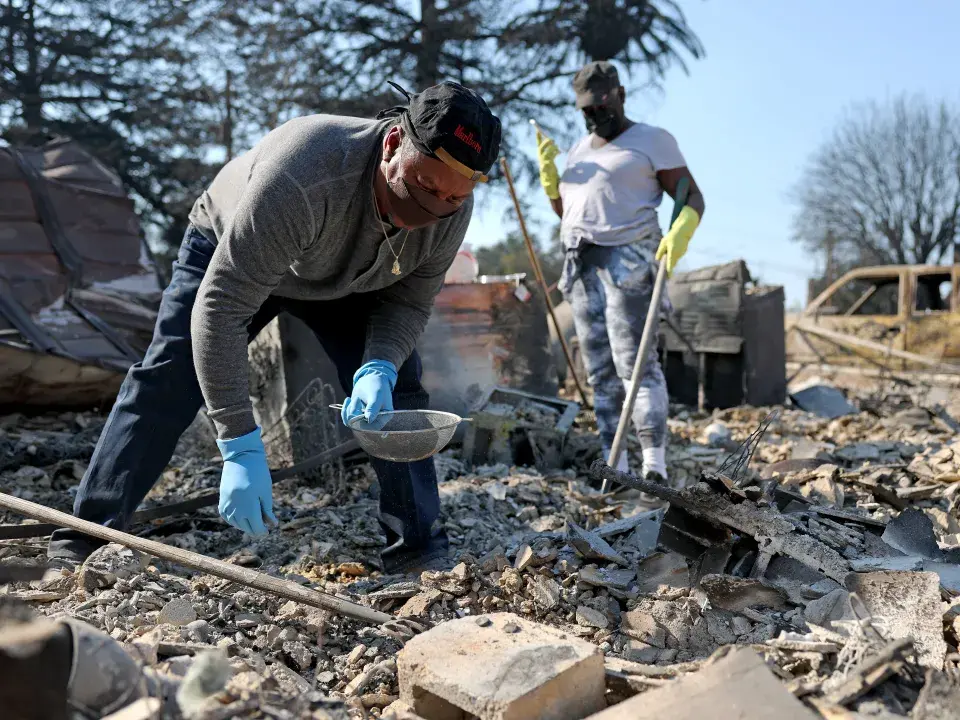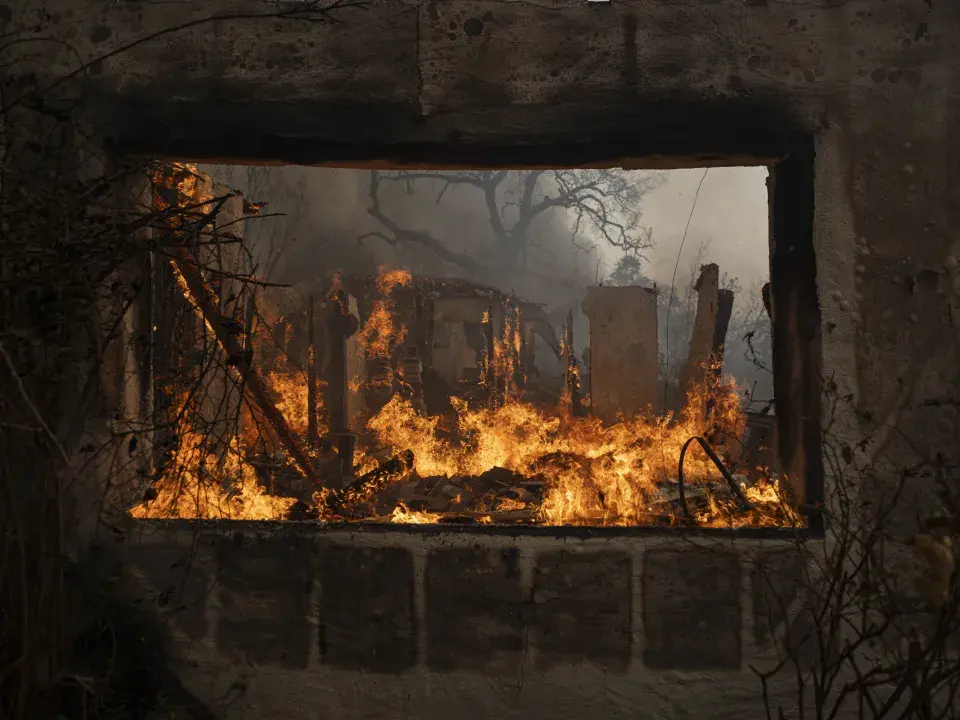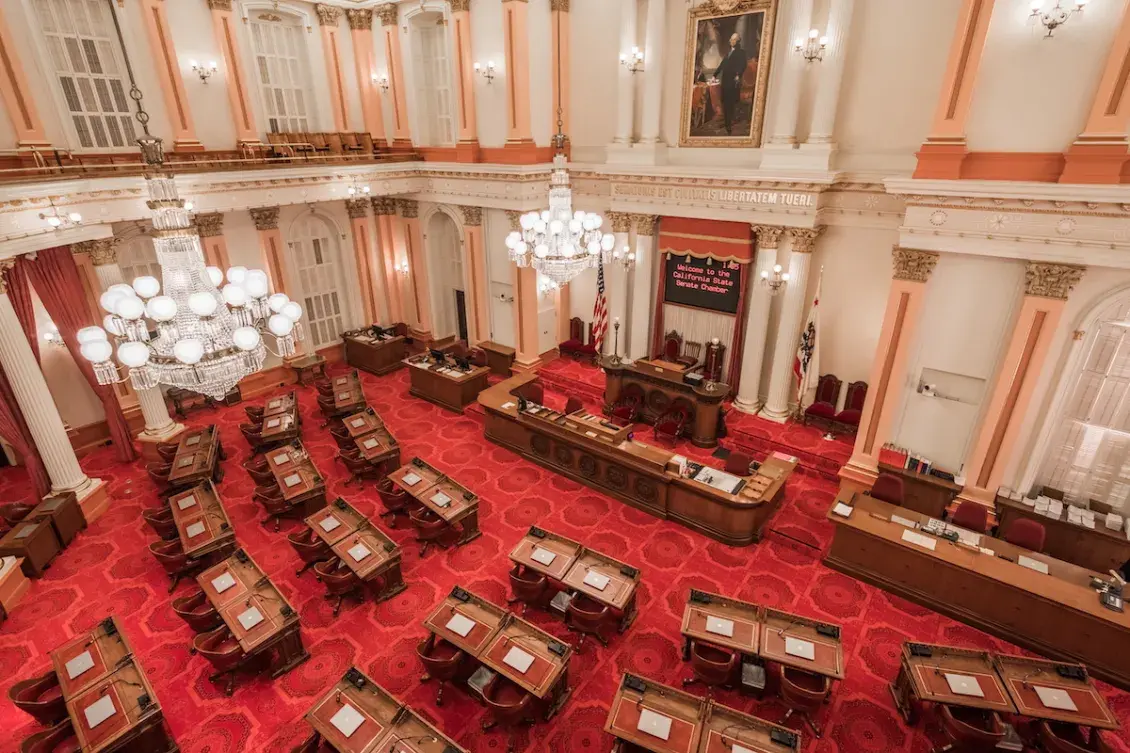
Following the devastating Los Angeles wildfires last year, the California State Legislature introduced and heard dozens of wildfire-related bills during its first year of the two-year legislative cycle. Some made it out of the legislature and were signed into law by Gov. Gavin Newsom in October. While others, including some previously introduced, failed again due to concerns about costs, bureaucratic inefficiencies, and conflicting environmental regulations.
Topics debated through the legislature ranged from wildfire prevention and mitigation, streamlining rebuilding, protections and relief for homeowners, renters, and small businesses, and most notably, access and affordability of insurance.
This analysis examines enacted legislation across major themes from the first year of the 2025-2026 session. It also offers priorities for guiding policy and advocacy efforts in 2026 as communities continue to face the unmitigated threat of wildfires and legislators continue to grapple with how to best protect California from future catastrophic events.
Protections for Homeowners, Tenants, and Mobile Home Residents
- AB 299 (Gabriel) allows people who are temporarily displaced by disasters to stay in hotels, motels, or short-term rentals for up to 270 consecutive days without being considered tenants. This bill will remain in effect until January 1, 2031.
- SB 610 (Perez) establishes key protections for tenants, mobile home residents, and borrowers including temporary rent control for mobile homes in areas subject to a state of emergency, protects tenants’ right to return, and requires landlord to address debris and repairs from fire damage.
- AB 851 (McKinnor) protects homeowners from predatory buyers during post-disaster recovery by prohibiting unsolicited real estate purchased offers in fire impacted areas in Los Angeles and Ventura Counties until January 1, 2027.
Relief for Homeowners and Property Owners
- AB 238 (Harabedian) requires mortgage services to offer up to 12 months of forbearance to borrowers facing financial hardship as a result of the January 2025 wildfires in Los Angeles.
- AB 245 (Gipson) gives households additional time to rebuild their home or business without experiencing a property tax increase and prevents owners from being taxed on the higher, undamaged 2025 assessed value.
- SB 293 (Pérez) extends the deadline for homeowners affected by the wildfires to update their property ownership records and claim property tax exclusions and exemptions without experiencing tax penalties; allows generational transfers of property.
Streamlining Rebuilding Post-Disaster
- AB 253 (Ward) expedites the process for obtaining building permits for small residential projects by allowing developers and homeowners to hire a private, third-party professional to check plans submitted, if the city or county’s building department is unable to complete the check within 30 business days.
- AB 462 (Lowenthal) streamlines accessory dwelling unit (ADU) approvals in the Coastal Zone.
- AB 818 (Avila Farias) speeds up local permitting post disaster; requires local governments to act on permit applications within 10 business days for manufactured, modular, or detached ADUs placed on private lots during home reconstruction.
- SB 676 (Limon) expedites California Environmental Quality Act (CEQA) review for projects that repair, restore, demolish, or replace properties that were damaged.
- SB 782 (Perez) streamlines the process for creating Enhanced Infrastructure Financing and Climate Resilience Districts which could allow local governments to raise revenue for the purposes of disaster recovery projects and programs.
Increased Accountability and Transparency in Insurance
- SB 429 (Cortese), upon appropriation, establishes the Wildfire Safety and Risk Mitigation Program to create the nation’s first public wildfire catastrophe model. This public model would simulate property damage from major wildfires and generate risk scores for properties in the state, helping increase transparency in insurance pricing.
- SB 495 (Allen) creates new consumer protections and requires certain admitted insurers to submit annual reports to the California Insurance Commissioner detailing their reinsurance programs and catastrophic risk modeling, increasing transparency in insurance market trends.
California FAIR Plan Association
- SB 525 (Jones) amends the California Insurance Code to expand the definition of "basic property insurance" offered through the California FAIR Plan to explicitly include manufactured homes and mobile homes under the same terms and conditions.
- AB 226 (Calderon) authorizes the California FAIR Plan Association to issue bonds to finance the costs of claims, to help pay claims more quickly in the event of a major catastrophe and ensuring it can cover wildfire losses.
- AB 234 (Calderon) adds public representation and legislative leadership to the California FAIR Plan Association governing committee to increase transparency and oversight.
Failed Legislation Aimed at Increasing Wildfire Resilience in California
Many bills introduced in response to the Los Angeles wildfires aimed to strengthen wildfire resilience, including the reintroduction of proposals that had failed in previous years. However, most ultimately failed again due to concerns about costs, bureaucratic inefficiencies, and conflicting environmental regulations.
Policymakers can help protect homes and reduce the overall impact of wildfires for Californians by advancing policies that promote effective mitigation measures. Home hardening, for example, is one of the most effective ways to increase wildfire resilience and protect homes.
This year, SB 616 (Rubio) aimed to establish an independent Community Hardening Commission within the Department of Insurance to set recommendations for home and community hardening and establish insurance discounts in response to these measures. Though passed by the legislature and backed by the insurance commissioner, SB 616 was ultimately vetoed by the Governor due to a “lack of harmony and coordination” across state entities.
Similarly, AB 1143 (Bennett) required the Office of the State Fire Marshal to develop a home hardening certification program by 2027 to provide guidance on effective wildfire-resilient products and practices, but was vetoed by the Governor, citing similar concerns.
Addressing Unmitigated Risks and Unmet Community Needs
Wildfires continue to pose an existential threat to California’s housing supply and residents, especially those living in high-risk, fire-prone areas. As policymakers head into their second year of this session, and communities continue to work toward long-term recovery, state and local leaders should prioritize:
- Preventing the Permanent Displacement of Affected Communities
- Helping residents impacted by the January 2025 wildfires to rebuild in their communities by providing direct financial assistance, gap financing programs, or other dedicated funding
- Supporting community development corporations and community land trusts who are working to secure land, preserve affordability, and rebuild alongside communities directly impacted
- Increasing housing supply through gentle density that prioritizes affordability, expands housing options for impacted residents, and preserves the neighborhood’s cultural identity
- Reforming insurance systems to make insurance more affordable, accessible, and responsive to investments in risk reduction
- Supporting resilient rebuilding strategies to make communities and homes more insurable by investing in risk mitigation and other resiliency measures e.g. home hardening
Enterprise provides advocacy at all levels of government to ensure that wildfire-related policy is responsive to the current needs of the communities most impacted by recent wildfires and is forward-looking toward a more resilient, prepared state. We look forward to working with community partners, policymakers, and government agencies to facilitate thoughtful policymaking grounded in evidence and supported by communities.
This analysis highlights legislation relevant to Enterprise and its Southern California partners' rebuilding efforts. For additional 2025-2026 wildfire-related legislation, visit the California State Legislative website.