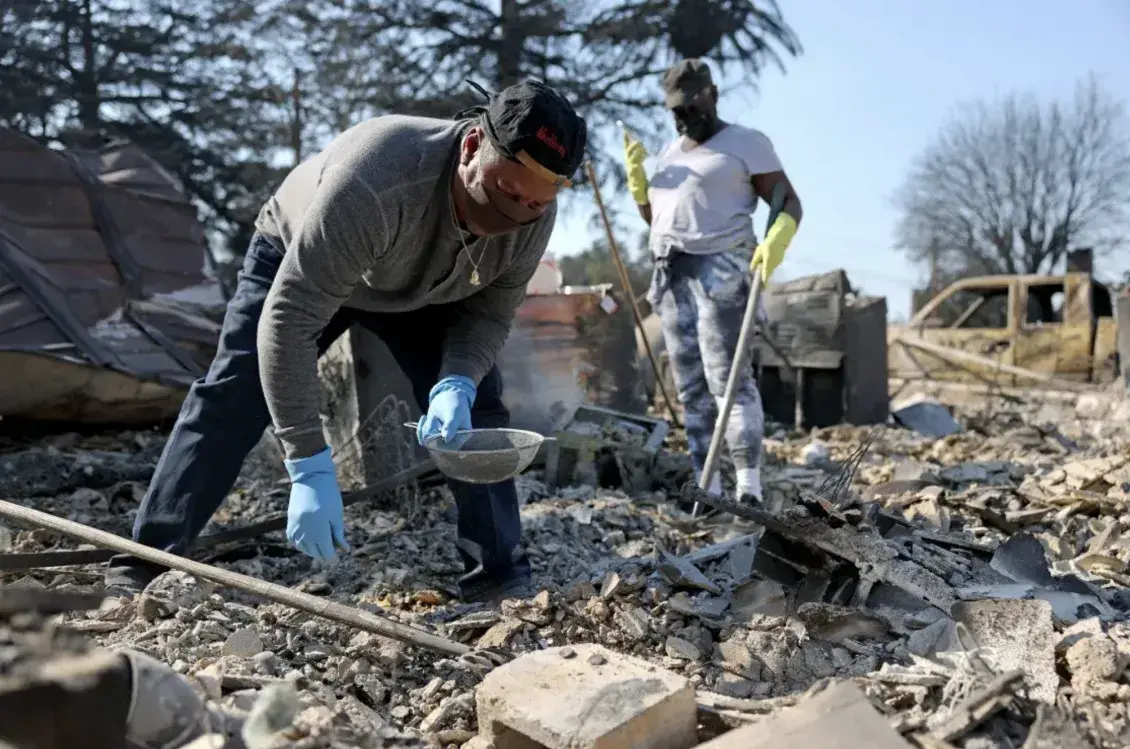
Earlier this year, devastating wildfires swept through Altadena and the Pacific Palisades in Los Angeles. The catastrophic losses underscore the urgent need for preparation that can both mitigate risk and protect vulnerable households, which experience the greatest impacts and longest recoveries.
With experts warning of more frequent and severe wildfires not only in California but throughout the country, preparing in advance can save lives, protect property, and strengthen recovery. Our Southern California Sustainable and Connected Communities team has gathered expert advice and online tools to develop a series of guides that help affordable housing providers prepare for future emergencies.
These guides include helpful resources on topics such as disaster recovery planning, hazard mitigation, trauma-informed disaster response, and HUD's Community Development Block Grant-Disaster Recovery. Each resource provides information broken down to help individuals, property owners, public officials, and the philanthropic community. This comprehensive approach ensures that stakeholders at each level can quickly find relevant guidance and take coordinated action in the aftermath of a disaster.
Mitigating and Preparing for Wildfires
The first in the Stronger Together: Disaster Readiness Guides series looks at Mitigating and Preparing for Wildfires, a reality that more and more Californians face every year. Of the 20 most destructive wildfires in California, 15 occurred within the last 10 years, according to CalFire data.
In-depth planning and practical practices are featured in the guide for individuals, affordable housing providers, government agencies, and philanthropy to reduce risk, respond effectively, and support long-term resilience
For individuals, households, and community-based organizations, the guide cites several resources, including one from CalFire that offers low- and no-cost methods to harden homes against wildfires, and another from Listos California, which is available in multiple languages.
For community-based organizations and affordable housing providers, the guide offers resources and guidance on creating defensible space, developing a wildlife response plan, and establishing a business continuity plan for residents, buildings, and operations.
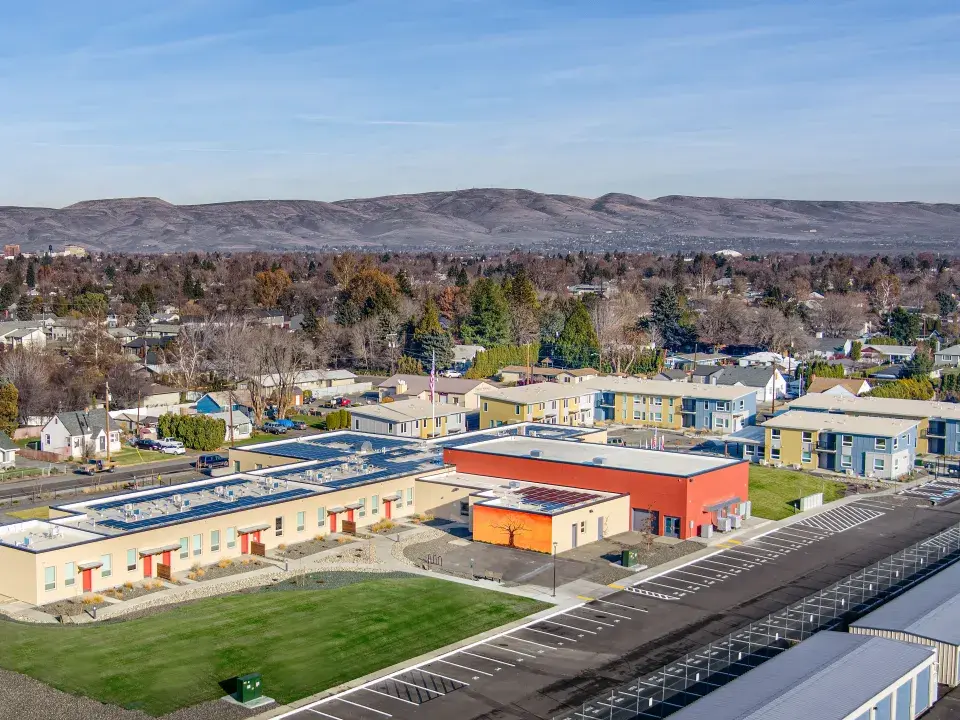
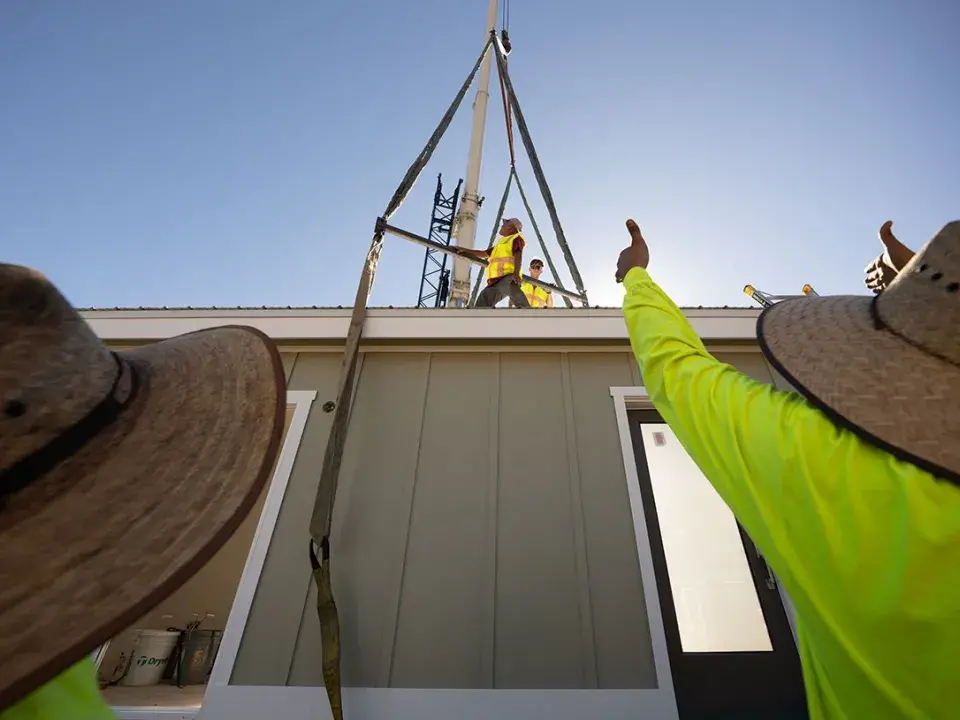
For the philanthropic sector, it provides tools on how to support the local community, including guidance on creating temporary-to-permanent housing for frontline communities in the aftermath of disasters.
For local and state governments, it addresses the need for fire preparedness and warnings to be available in languages spoken in the locale, as well as policy support for affordable, higher-density growth in infill locations with lower wildfire risk.
Read the full list of recommended actions and download the resource guide by visiting our Learning Center.
While this guide focuses on practical steps housing providers and other groups can take today to prepare for wildfire risks and recovery, it is also part of a broader conversation about how affordable housing can adapt to climate events. Our Building Resilient Futures team is hosting webinars to explore how housing providers can access the tools and funding needed to scale these strategies.