Emergency Operations Plans and Cultural Competency
Emergency Operations Plans (EOP) establish how the State, Tribal, or local jurisdiction manages its emergency response.
The General Plan is the foundational planning document for any local government in California, providing a roadmap of future growth that includes social and economic development. Each local General Plan is unique, reflecting the priorities, constraints, and aspirations of the city or county.
Hazard mitigation is the first step in the disaster cycle. Learn more about actions communities can take to reduce the impacts of a disaster before it occurs.
Learn about the actions communities can take to mitigate and prepare for pandemics and other health disasters.
Various factors contribute to poor air quality: fire season, vehicle exhaust, industrial emissions, power plants, agricultural processes, commercial waste treatment, and any burning of fuels such as wood, oil, and coal. Learn about the ways communities can take action to prepare and mitigate poor air quality.
Learn ways for communities to mitigate and prepare for the threat of wildfires.
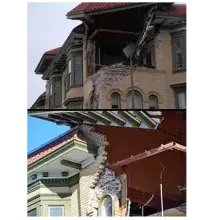
Earthquakes are caused by the release of energy accumulated within or along the edges of the earth’s tectonic plates where seismic waves radiate around the origin epicenter and cause the ground to shake. Learn about the risks, impacts, and actions the communities can take to mitigate and prepare for earthquakes.
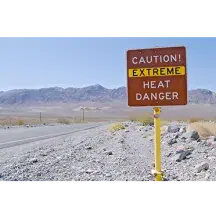
Learn more about the impacts of extreme heat on communities and the actions that can be taken to prepare for it.
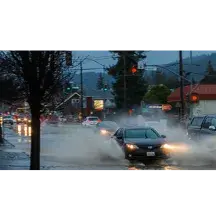
Flooding is an overflow of water that submerges areas that are usually dry. Learn about the impacts to communities and the actions they can to take to prepare for floods.