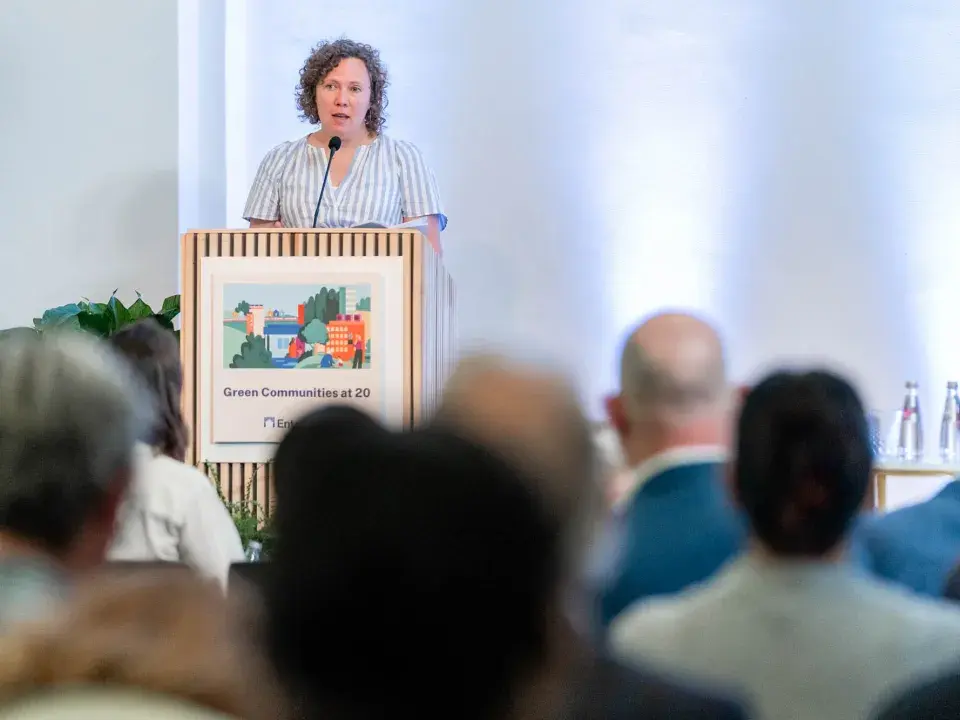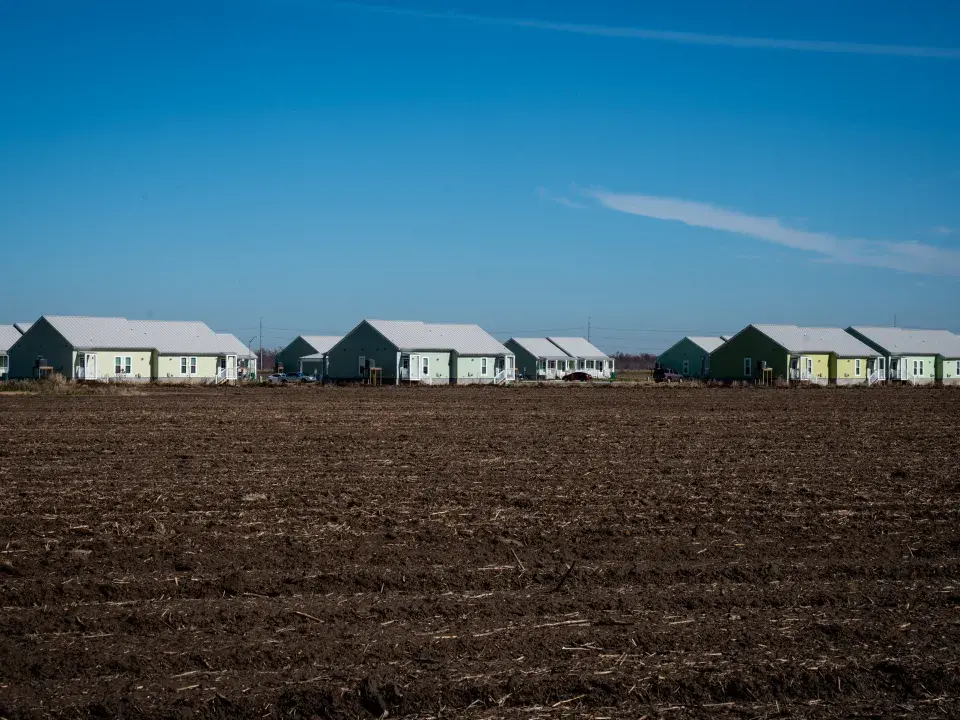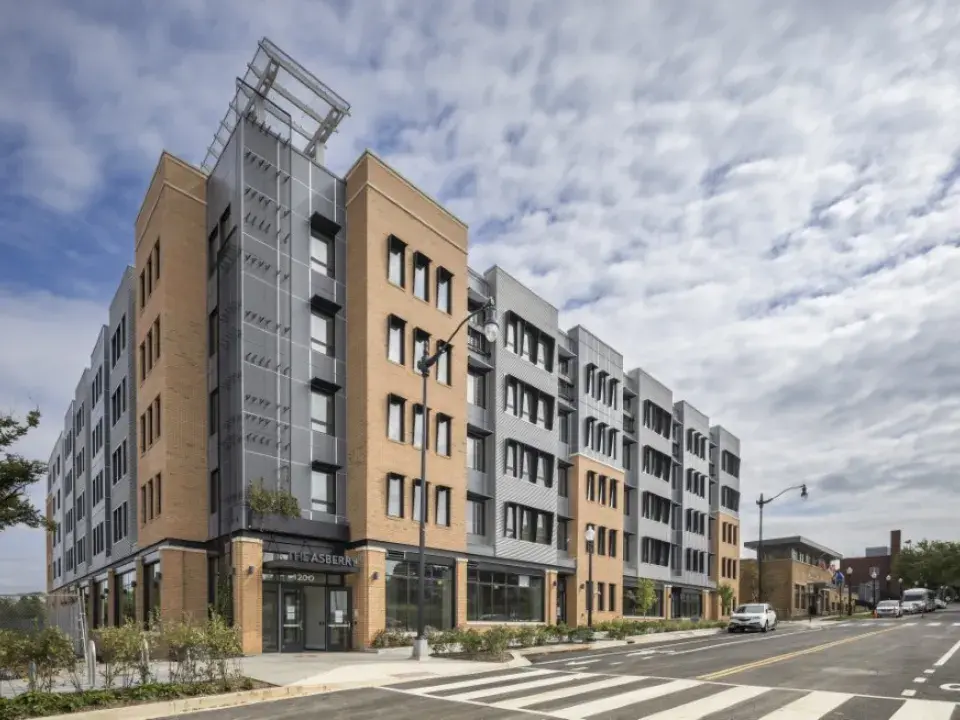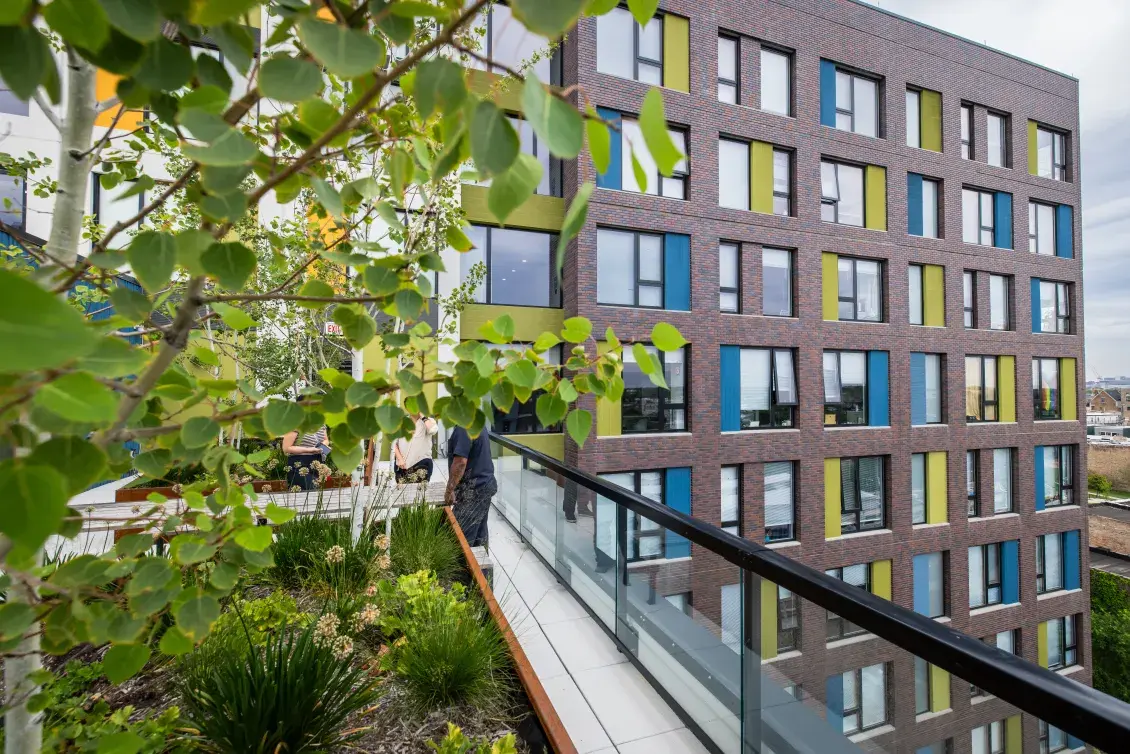
What if every affordable home could lower energy bills, improve a resident’s health, and withstand extreme weather? For over two decades, Enterprise Green Communities has worked toward that vision, showing what’s possible by moving sustainable building from best practice to standard practice in communities across the United States.
Enterprise Green Communities undergoes a comprehensive update every five years. It is the only green building standard created specifically for and with the affordable housing sector. The latest iteration of the framework – the 20th anniversary edition – brings together a wealth of expertise and lived experience, drawn from the more than 231,000 affordable homes that have been certified to date.
The 2026 Criteria culminates a yearlong process that braids knowledge and insights from housing developers and financers, affordable housing residents, and a wide range of nationwide technical advisors.
Three themes form the foundation of the updated criteria: energy, health, and resilience. These pillars provide practical pathways for project teams to create homes that are efficient, comfortable, and built to last.

Here are highlights of the three pillars.
Energy
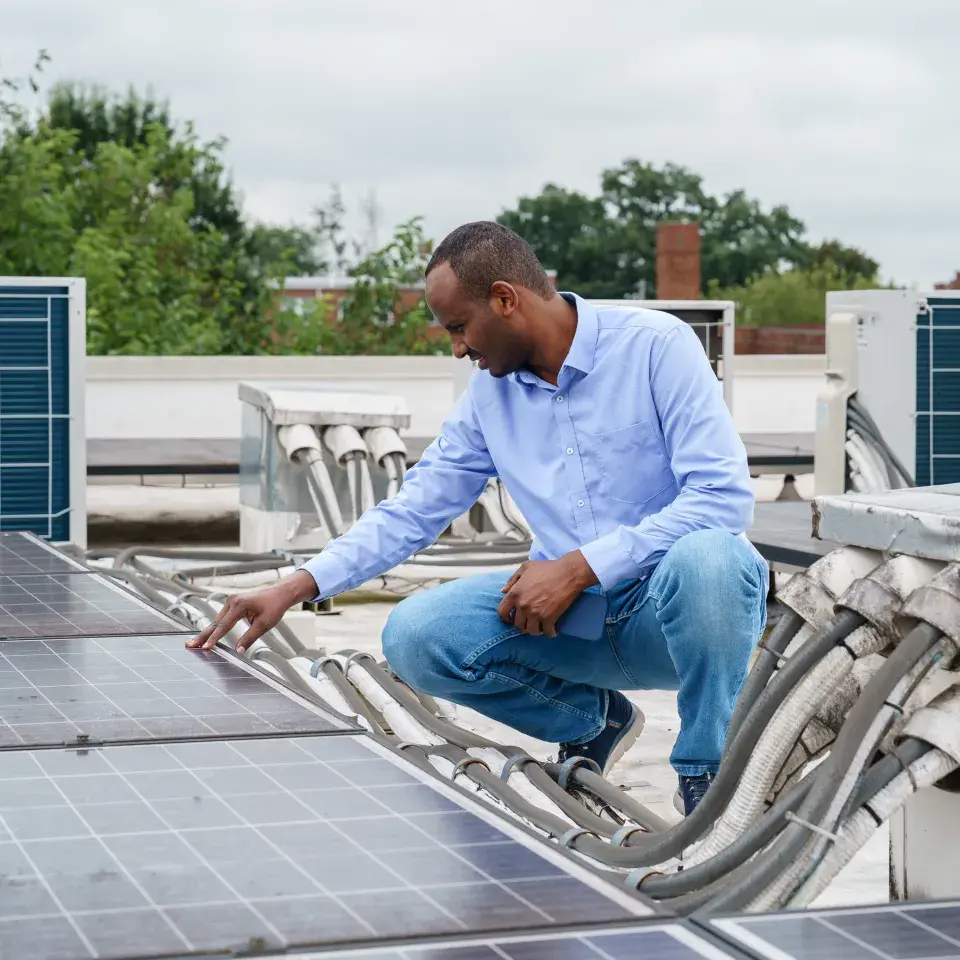
- Updated efficiency standards and performance design requirements aim to reduce utility bills for residents and owners, while supporting all-electric construction for a more sustainable future.
- New guidance helps teams address embodied carbon early in the design process by reusing materials and identifying opportunities to store carbon throughout the building’s lifecycle.
- A phased approach to zero energy over time (ZOT) makes long-term sustainability goals more attainable.
- Advanced certification tiers — Certification Plus and Certification Plus Zero Emissions — offer clear steps toward maximizing efficiency, decarbonization, and renewable energy use for both new builds and major retrofits.

Health
- The criteria continue to prioritize healthy living, ensuring homes are built and maintained to support comfort and safety. Ventilation and moisture control remain as critical strategies, while new criteria provide noise protection and improve traffic and pedestrian safety.
- Early material selection simplifies the process of choosing safe, high-quality options that support residents’ health without excessive paperwork.
- An emphasis on community connection, long-term durability, and mental well-being creates homes and spaces where residents can thrive physically and emotionally.
Resilience
- Every development project begins with an assessment of potential hazards such as extreme heat, flooding, wind, wildfire, and power outages, with strategies developed to keep homes safe and livable.
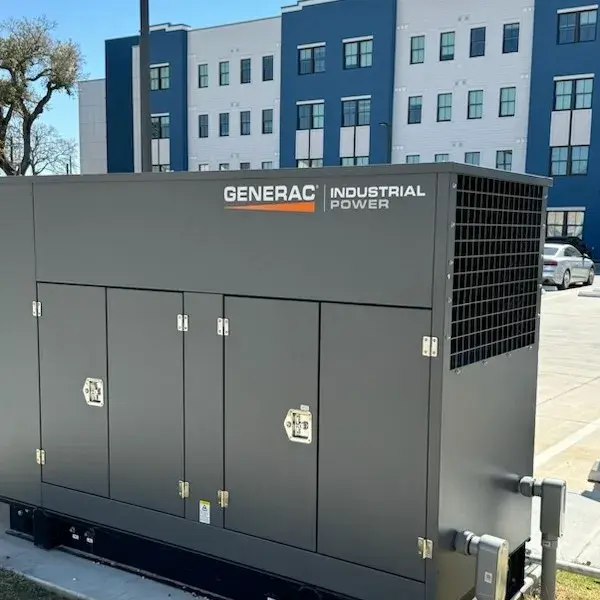
- Resilience planning is integrated with energy and water solutions, including on-site energy storage, backup power and water, and building envelopes designed to hold livable temperatures during power outages.
- A building-readiness tool, part of the Enterprise Business Continuity Toolkit, helps property staff and residents prepare for emergencies, respond effectively, and recover quickly after disasters.
Two decades of progress have shown that an efficient and resilient home is an affordable home. The latest edition of Enterprise Green Communities offers developers a practical, proven framework for building high-quality homes that serve communities for generations to come.
Join us for our upcoming online event series, kicking off February 19. We’ll share how to navigate the new criteria, delve into the details with the technical experts behind the updated framework, and provide guidance on how you can certify to the new standard.
Sign up to ensure you receive all the latest Green Communities updates and offerings.
Christopher Hauserman recently completed an internship with Enterprise Green Communities.