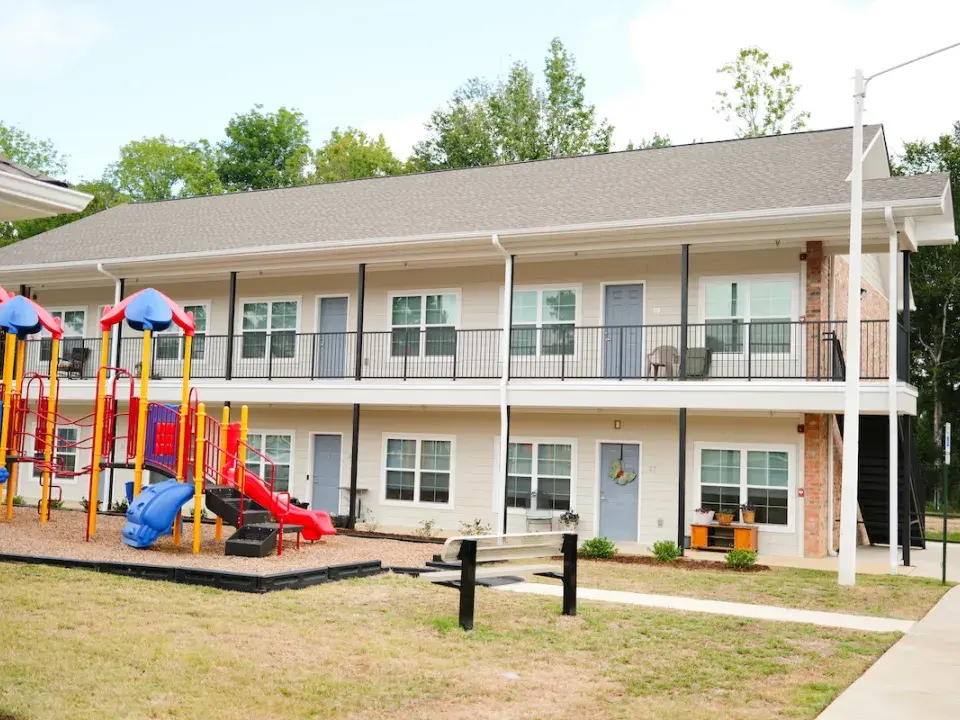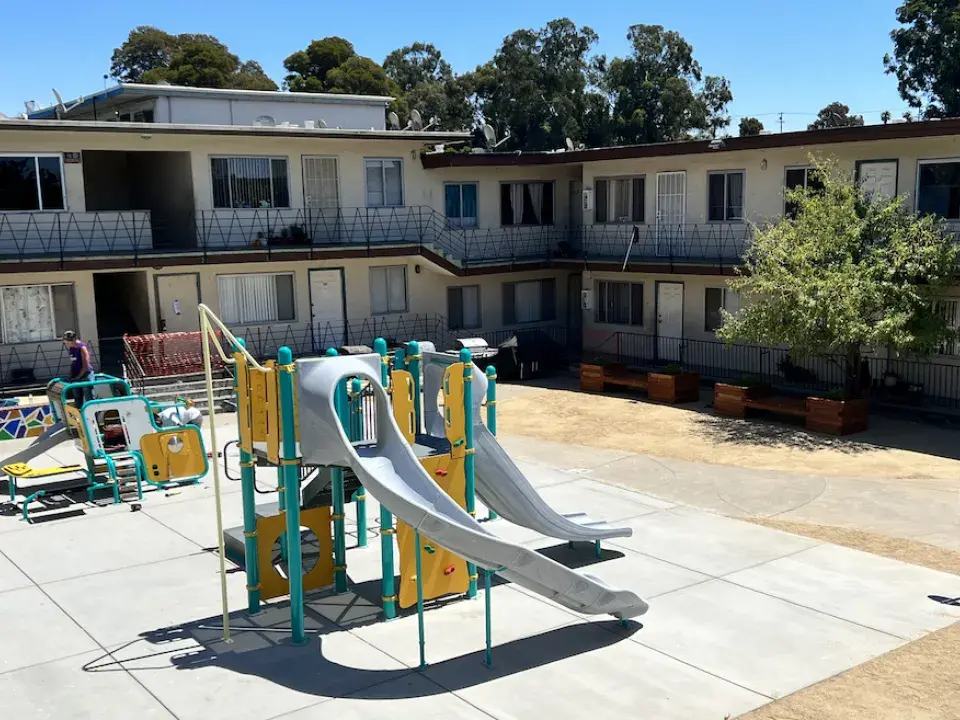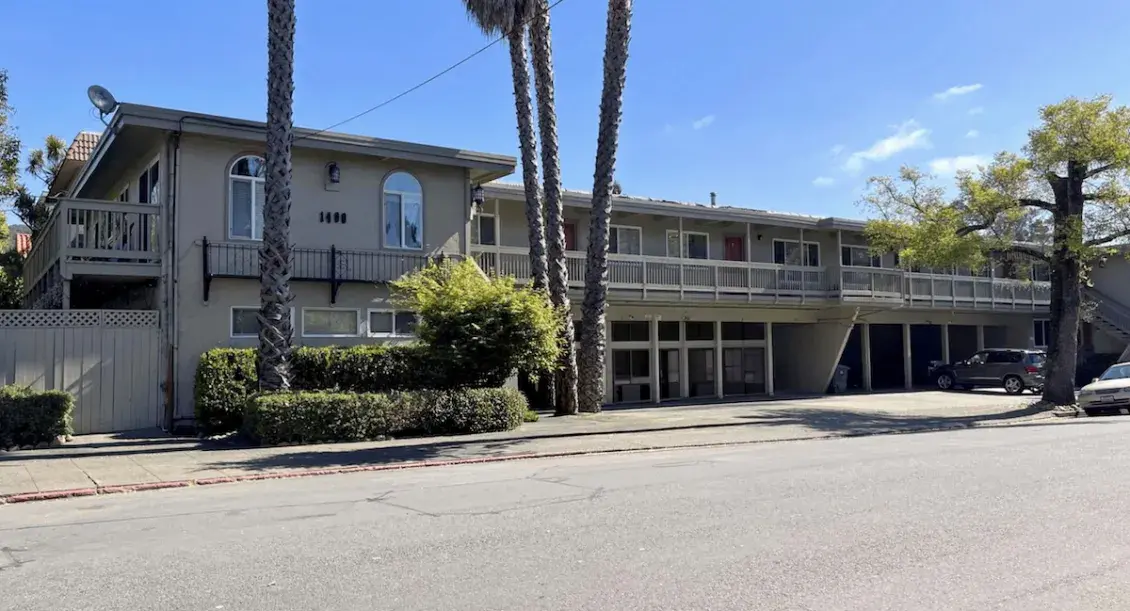
Preserving existing housing that is affordable to low-income households today is one of the most cost-effective ways to address California's housing crisis. Yet thousands of unsubsidized affordable units are lost every year to rent increases and speculation, taking stable, affordable homes away from the residents who depend on them most.
Senate Bill 1091, authored by State Sen. Anna M. Caballero, would change that by establishing the Community Anti-Displacement and Preservation Program (CAPP), a new statewide program to acquire and preserve at-risk, currently unsubsidized affordable housing before it's gone.
Enterprise has joined together with the California Community Land Trust Network, Housing California, and Public Advocates to co-sponsor this bill and partner with Senator Caballero to advance SB 1091 this session.
Protecting Homes at Risk
According to the California Housing Partnership, California has over 900,000 unsubsidized affordable homes where low-income households, primarily people of color , live. These homes typically have more affordable rents due to factors such as building age and location, but they lack the protection of a public subsidy program.
Over the last five years, 189,000 such homes have lost their affordability, with the greatest impact felt in the Bay Area and Southern California, as well as Sacramento and Fresno counties. In these regions, investor pressures and housing costs outpace wage growth, contributing to affordability losses and increased displacement risks. Acquisition preservation programs like CAPP are critical to slow down the rate of loss and keep residents in their homes and communities.
Nearly 40,000 homes in California are currently at a very high risk of losing their affordability, a risk that falls disproportionately on lower-income individuals and families vulnerable to displacement or falling into homelessness.
Local Programs Leading the Way
Local preservation efforts have proven to be an effective strategy to stabilize residents and preserve the affordability of unsubsidized affordable housing. Communities like Oakland, San Francisco, and Los Angeles County have established programs that successfully keep vulnerable Californians in their homes.
In San Francisco, the Mayor's Office of Housing and Community Development's Small Sites Program has invested $342.5 million since 2014 to preserve 951 affordable homes across 70 properties for extremely and very low-income residents. Los Angeles County invested $14 million in a Community Land Trust pilot program in 2022 that preserved 43 units for 110 individuals.
That momentum is building. The City of Los Angeles and Los Angeles County, through the Los Angeles Housing Department and LACAHSA, recently announced new funding for acquisition, rehabilitation, preservation, and related efforts — signaling growing political will to act.
These local solutions are inspiring action statewide, with new preservation programs being considered and implemented throughout California, including in San Diego and the City of Los Angeles. More than 50 established and emerging community land trusts, focused primarily on preserving unsubsidized affordable homes, exist across California. Their successes show what's possible when the right tools and partnerships are in place and underscore the need for a program like CAPP to equitably scale preservation efforts statewide.
All Californians understand how important it is to stabilize longtime residents in the neighborhoods they call home – whether that’s families with children in local schools, the workers who keep our community businesses and public institutions running, or seniors aging close to family and local resources.
Jimar Wilson, Enterprise VP and Market Leader, Southern California.
Two Case Studies: Preservation in Action
Across California, community organizations are putting preservation tools to work, keeping long-time residents in their homes and communities, while building pathways to lasting affordability.
Fideicomiso Comunitario Tierra Libre (Fideicomiso) was founded in 2019 through a community-led effort as the first community land trust in unincorporated East Los Angeles. When Fideicomiso and the Little Tokyo Service Center learned in 2021 that low-income Latino families faced imminent eviction and displacement, they acted swiftly to keep these long-time residents in their homes.
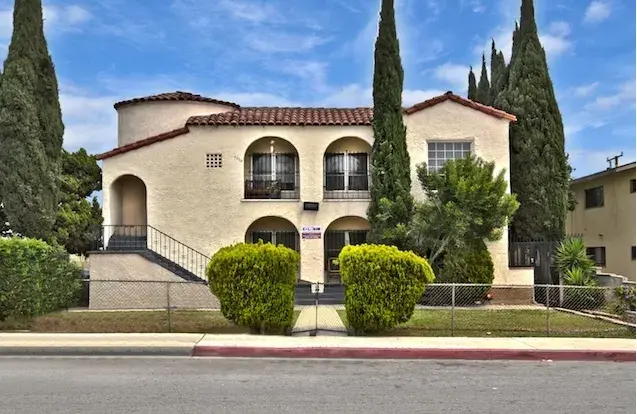
Partnering through LA County’s community land trust and community development corporation (CLT-CDC) pilot program, the organizations received $2.79 million in acquisition funding and pre-development grants to quickly acquire and preserve the 11-unit multifamily building. Fideicomiso then engaged residents to transition toward limited-equity cooperative ownership, keeping rents affordable at 50% area median income (AMI) while providing tenants the opportunity to own shares of the property.
Canal Alliance acquired a nine-unit apartment building in San Rafael, preserving affordability and preventing displacement of low-income Latino households at 30-50% AMI, including residents who have lived there nearly 20 years.
Through local and philanthropic funding and partnerships, Canal Alliance strategically outcompeted private investors to acquire the property. They will invest in key capital improvements, including electrical upgrades, sewer repairs, and hope to install solar panels to improve the property’s long-term financial stability for residents.
Scaling a Collaborative Solution Statewide
The idea for CAPP was developed by the Stable Homes Coalition, which Enterprise co-leads with Housing California and Public Advocates, and reflects several years of collaboration with community partners across the state, including the California Housing Partnership, Housing Now!, and the California Community Land Trust Network. Building on prior efforts, including SB 225 (Caballero, 2024), the coalition has refined CAPP’s design to ensure it meets the scale and urgency of the state’s preservation and anti-displacement needs.
CAPP is an innovative partnership among the California Department of Housing and Community Development, community development financial institutions, and local governments. The program is designed to provide streamlined funding that offers both short-term acquisition capital and long-term subsidy, as well as technical assistance to program applicants to grow local capacity.
Importantly, SB 1091 is a companion bill to The Affordable Housing Bond Act of 2026, introduced as Assembly Bill (AB) 736 (Wicks) and SB 417 (Cabaldon), which includes a $500 million allocation for acquisition preservation through CAPP. This funding from the statewide affordable housing bond will allow community organizations to acquire an initial estimated 2,000 homes and preserve them as affordable to support an estimated 22,000 households over the next 55 years.
Looking Ahead
Enterprise is proud to co-sponsor SB 1091 with the California Community Land Trust Network, Housing California, and Public Advocates. Alongside our partners and the broader Stable Homes Coalition, we are working closely with Sen. Caballero to advance this opportunity to pass SB 1091 this year and establish CAPP, alongside moving the statewide affordable housing bond forward to the November ballot.
To support this effort, check out our latest action toolkit.
Each year, Enterprise sponsors and supports several pieces of legislation in Sacramento. In our new legislative spotlight series, we will dig deeper into our priority bills. For more information, contact Justine Marcus.