
As a high school student, Claire Parisa traveled to Mexico from her native Bay Area to help build houses for families. What she first thought would be a one-off spring break trip with friends turned into an experience that has shaped her career. “I was excited to spend time with friends and to get my hands dirty building something,” Parisa said recently at her home near Oakland, California. “But it ended up changing my perspective on my life and my career. I came face to face with housing insecurity for the first time.”
After studying housing issues in Latin America during college and graduate school, Parisa shifted her focus to solving the housing crisis closer to home.
Now, as an originator on Enterprise's Housing Credit Investments team for the past three years, Parisa spends her days solving complex financing puzzles: matching investors with developers, untangling intricate real estate structures, and finding creative ways to move affordable housing projects forward across Northern California and Oregon. On any given day, Parisa — recently named a “40 Under 40” by the San Francisco Business Times — might be on twenty calls, carpooling with a colleague to a developer meeting in Oakland, or standing in front of a room of UC Berkeley graduate students breaking down the nuances of low-income housing tax credits.
The details have gotten more complex since that first trip to Mexico. But the mission is the same: “Put most simply, I help find money to build homes for people who need them,” Parisa said.
Here's what a typical day looks like for Claire Parisa.
Early Bird
I’m the first one out of bed in our house and the first thing I do is get the tea and coffee started. I’m obsessed with tea! Then I’ll start checking my emails just to see what’s happening — my colleagues on the East Coast are three hours ahead. It may sound strange, but I’m excited to read the emails. I’m not afraid that I’m behind on anything. I genuinely love to see what's going on with the projects. Have we found a match for the investor? The finance part is like a puzzle and it’s rewarding to see the right fit, when the investor and the developer are happy.
Then I wake my son up — he’s 18 months and early morning is a great time to connect before my husband wakes up, and we start on the day’s logistics. We all gather in the kitchen to make breakfast and then load up in the car for daycare drop-off.
Unsticking Sticky Problems
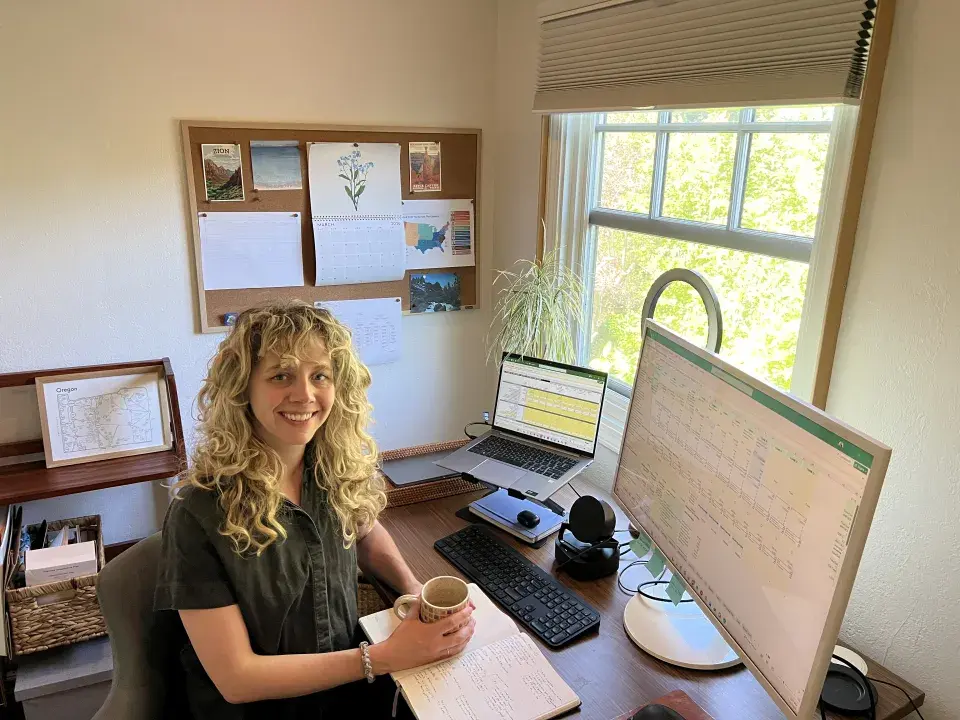
I head home to hop online in time for a couple of calls with the analysts and underwriters — my first of roughly 20 that I’ll have during a typical day. I like to set them up for the day and share the latest guidance and intel I have on how to keep our projects moving forward with sponsors.
I’ll often spend the first part of the morning catching up on financial model reviews, working with our underwriters and sponsors to see what we need to be doing on our side to keep deals on track, connecting with analysts on developer financial reviews, or thinking through how to respond to investors’ requirements and requests. I'll spend some time reviewing other people's work and then I do my best to unstick sticky problems.
Digging in at Lunch
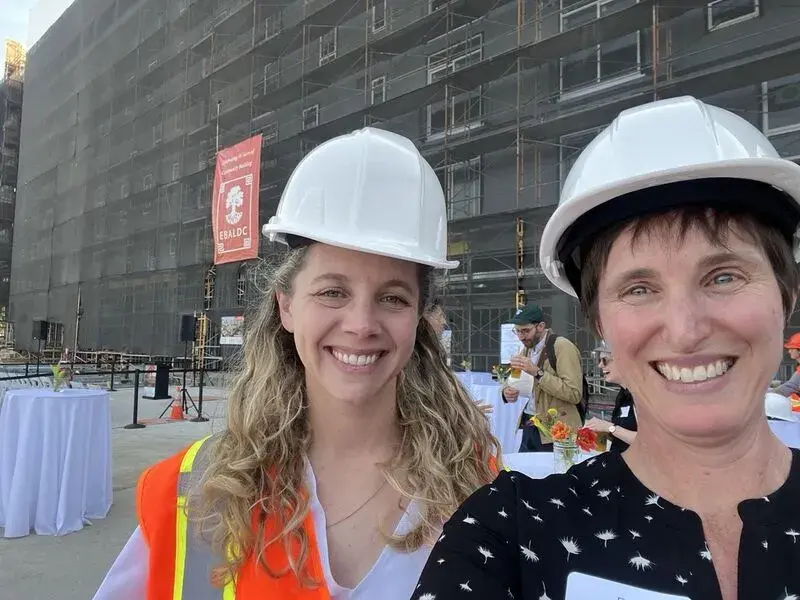
Often, lunch will include meeting up with Heather Hood (Enterprise vice president and Northern California market leader). She lives just around the corner from me, so we'll carpool together, which is great because it gives us built-in strategy time. I’ll pick her up on the way and head out to meet with a developer in Oakland, and over lunch we'll dig into what they have going on this year — their pipeline, what technical assistance they might need from Heather's team around the Affordable Housing and Sustainable Communities program, and where our "One Enterprise" ecosystem can really support their work.
On the drive back, Heather and I use that time to debrief: talking through our developer partners, who's doing what, who needs support, and any new policy advancements.
Financial Magic
Back at my desk, I’ll join a call with one of our debt partners about the complex real estate structure on a project in Portland, Oregon. I might also meet with an analyst to review a financial model, which is a great opportunity to provide coaching and mentorship while working the financial structuring magic Enterprise is known for.
I’m involved in a lot of advocacy — local, regional, and national — and that comes into my day in some interesting ways. For example, next week I have a meeting to plan a panel we're putting on for the Women’s Affordable Housing Network Summit in San Diego in May. It's focused on women in our field getting involved in local advocacy outside of their normal day-to-day jobs.
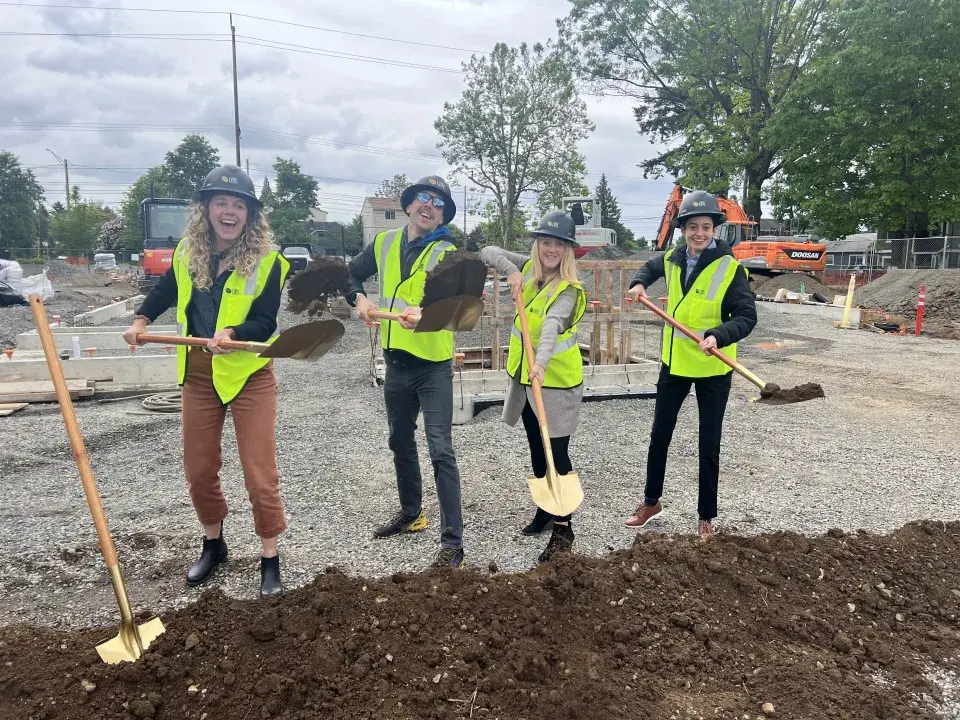
And right here in my hometown of Piedmont, I’m part of a group of affordable housing advocates and practitioners who are pushing the city to build affordable housing on our last plot of undeveloped land, right across the street from a park. The land is slated to become family housing specifically, which would create more opportunities for children from families earning lower incomes to access our great schools. The group includes some impressive people — Carol Galante, who founded the Terner Center and lives here in town, along with another local, Alice Talcott, who held a very senior position at MidPen Housing. We also have architects and developers from Eden Housing and other organizations who live locally and are engaged in the effort.
Translating for Students
In the early evening, I'll head over to U.C. Berkeley to give a lecture on the latest trends in affordable housing finance. The format varies by semester — in the fall, it's a lecture-based class for master’s students in real estate and city planning. But the spring class is the one I really love. It's a studio that brings together architecture, city planning, and real estate development students, and they work in cross-disciplinary teams to develop real proposals for actual sites.
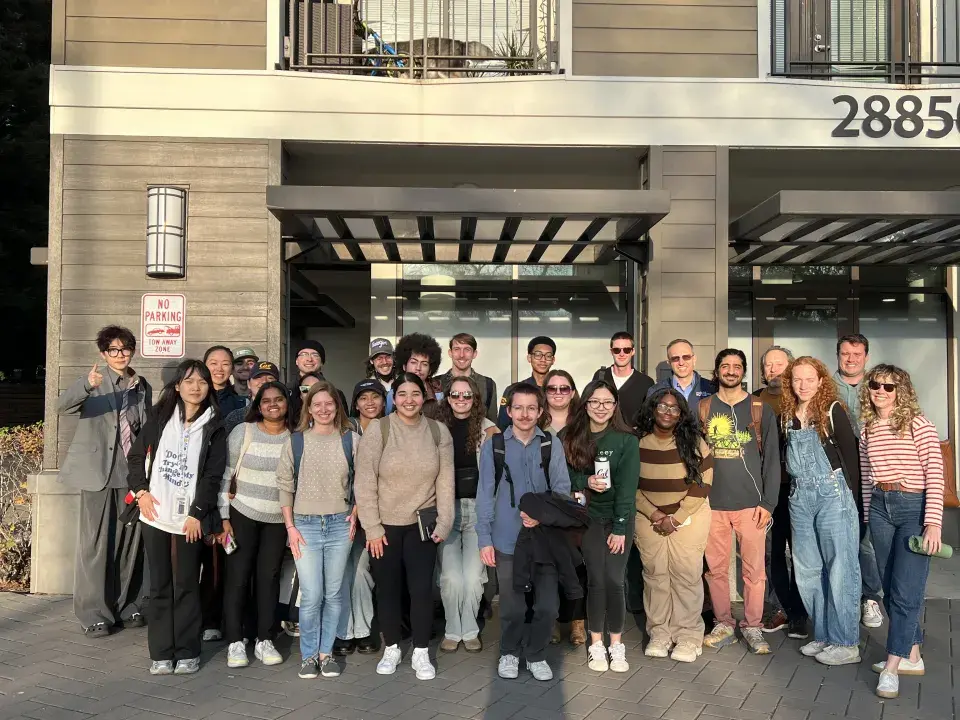
This year we're working on an interesting one: LA Metro has a site in Glendora, and they want students to think through what could be built there. (Yes, LA does have a transit system, even though most people don't think of it that way!) It's a real project, and they’re inviting students to do the initial exploration and help warm the community up to the idea of housing being built on a parking lot the station owns.
What I love about teaching is that it pushes me to translate what I do every day — which is highly technical — into something more digestible. My students aren't getting deep into the weeds the way we do. I'll tell them about the tax pages of a financial model and why tax structuring matters for the low-income housing tax credit, but they're focused on the fundamentals: understanding basic project operations, making sure there's enough money to build the housing, and how to operate it.
It's also a great opportunity to connect what's happening at the state and federal policy level or in the broader market to the actual feasibility of the projects they're proposing. And honestly, one of my favorite parts is just talking with students about their careers — some want to go into policy or finance, but most want to go into development. And then I actually get to watch them go do it. We've even hired two people from the Cal program in the last couple of years: NyNy Vu and Jovan Sheshbaradaran.
Winding Down
My favorite part of the day is coming home to my son. We make dinner as a family and then it’s reading time. He loves books — he’ll come find me saying "book, book, book" and then "lap, lap" because he wants me to sit down so he can climb up and read together.
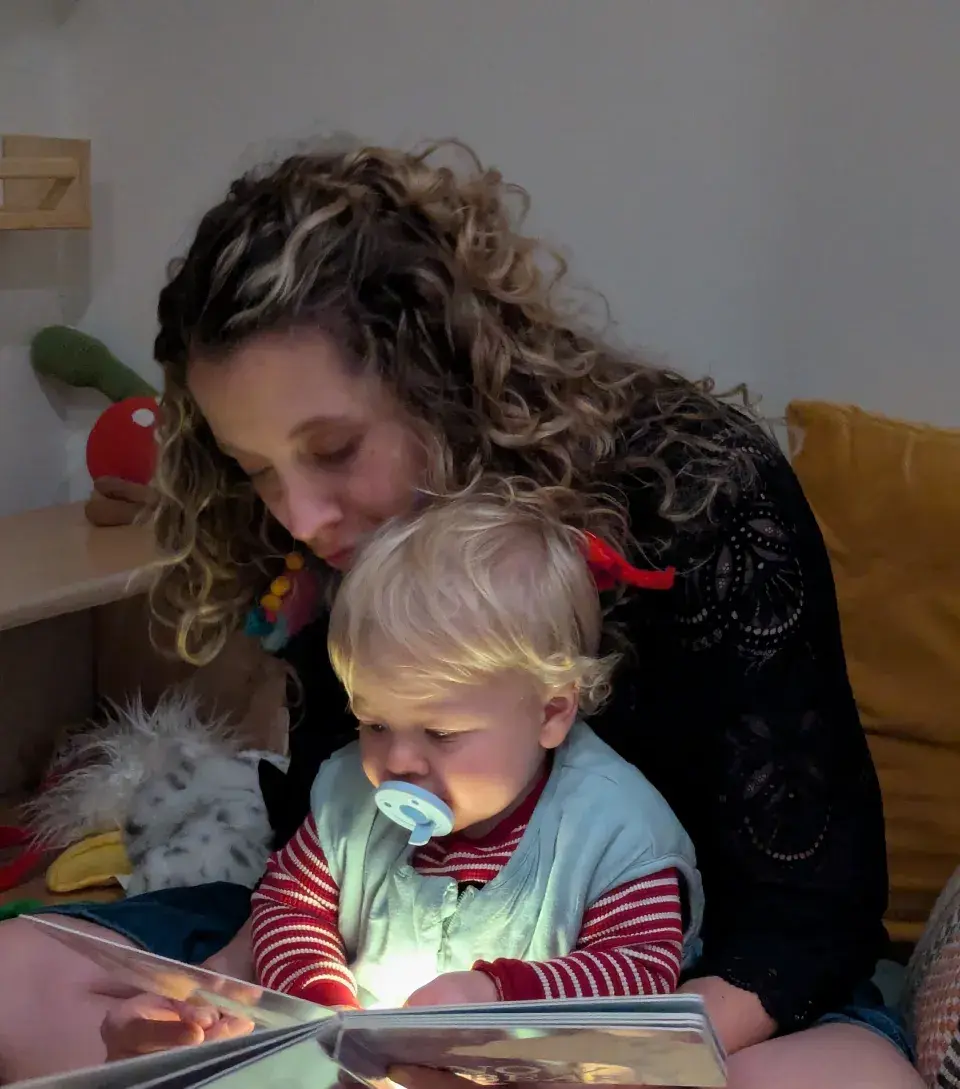
It might sound cheesy, but I genuinely love the work that I do. It's interesting and engaging and meaningful. But there's also something nice about those moments with my son where I'm just completely present. When we're reading together, I'm not thinking about work at all. It's a real reset.
And then once he goes down for bed around seven, I'll usually pick work back up again for a bit in the evening. I’ll answer a couple last emails, put together the checklist for tomorrow, and unwind with one of my crafts while watching something on Netflix (I have a weakness for British period dramas). I go to sleep early, by 9:30. I need a lot of energy to start up and do it all over again tomorrow!