Mitigating and Preparing for Pandemics and Health Disasters
Learn about the actions communities can take to mitigate and prepare for pandemics and other health disasters.

Various factors contribute to poor air quality: fire season, vehicle exhaust, industrial emissions, power plants, agricultural processes, commercial waste treatment, and any burning of fuels such as wood, oil, and coal. Learn about the ways communities can take action to prepare and mitigate poor air quality.
Learn ways for communities to mitigate and prepare for the threat of wildfires.
Flooding is an overflow of water that submerges areas that are usually dry. Learn about the impacts to communities and the actions they can to take to prepare for floods.
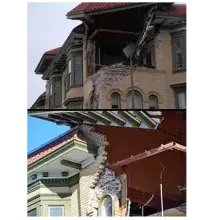
Earthquakes are caused by the release of energy accumulated within or along the edges of the earth’s tectonic plates where seismic waves radiate around the origin epicenter and cause the ground to shake. Learn about the risks, impacts, and actions the communities can take to mitigate and prepare for earthquakes.
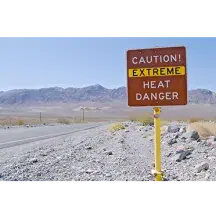
Learn more about the impacts of extreme heat on communities and the actions that can be taken to prepare for it.
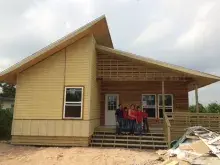
RAPIDO Recovery Housing Program responds to long-term disaster recovery using a bottom-up, community-based approach centered on the families it intends to support.
This resource provides an overview of community land trusts, which are non-profit organizations that acquire housing and land to ensure they remain permanently affordable.
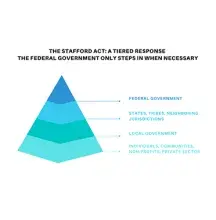
The Stafford Act is the primary guidance that helps establish the objectives of FEMA concerning preparedness and disaster recovery, sets the bounds and guardrails of its programs, and establishes the legal authority and process for the Federal government to aid States and Tribes during major disasters and emergencies.
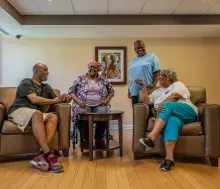
The United Neighbors in Defense Against Displacement (UNIDAD) coalition is a community collaboration formed to prevent the displacement of residents in South Central Los Angeles and improve the health and economic well-being of low-income communities of color through responsible development. The final recommendations are called “The People's Plan for Equitable Development in South Los Angeles.