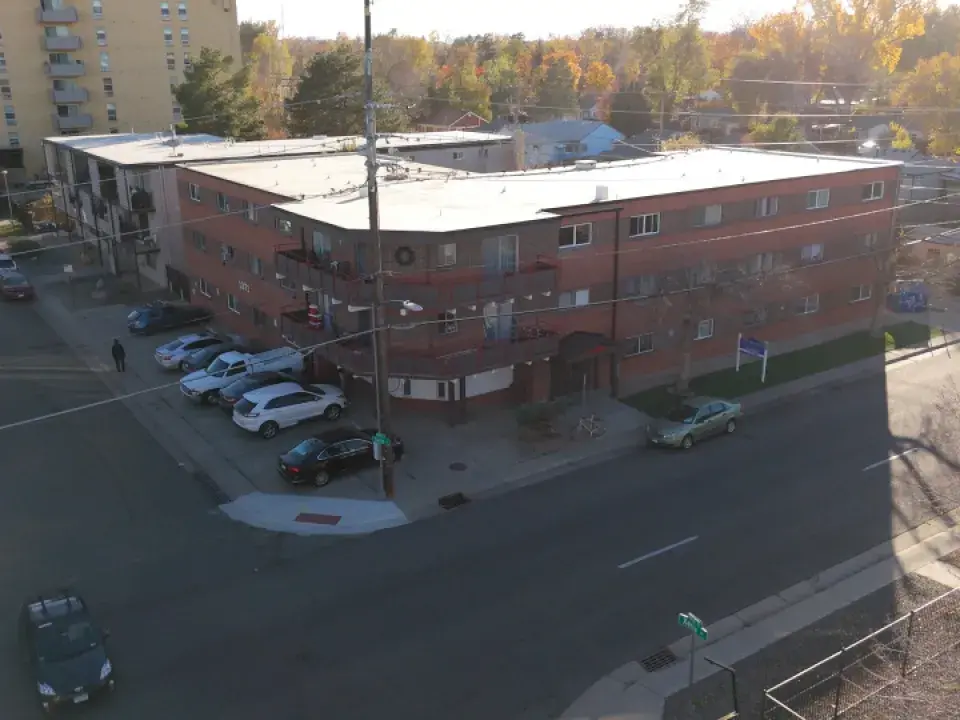
Ensuring the long-term affordability of Colorado’s existing affordable homes requires large-scale intervention, and it is necessary for the state to realize a meaningful increase in overall affordable rental supply. Otherwise, new construction efforts will continue to be undercut by pre-existing affordable rents converting to market-rate rentals. Colorado is in a race against time and competing with private investors unconcerned with keeping rents down or residents in place.
In collaboration with partners across the affordability sector, Enterprise has created issue briefs and case studies that look at the market challenges, policy barriers, and best practices in preserving this essential housing stock.
Why Preserving Affordability Matters for Colorado
This issue brief explains the importance of affordable housing, documenting the scale of loss across the state, the benefits of preservation compared to new construction, and the systemic barriers that currently prevent preservation efforts from meeting community needs.
- Watch Housing That Lasts: Resident Voices
Coloradans share how the preservation of affordable housing has helped them stay near their jobs, keep their children in local schools, and remain connected to the communities they call home.
Housing That Lasts: Issue Briefs
Housing That Lasts: Capital Tools and Processes Needed to Preserve Affordability
This issue brief identifies the financing gaps and policy barriers that prevent affordable housing preservation in Colorado and outlines specific recommendations for new capital tools, streamlined processes, and funding mechanisms needed to acquire and maintain long-term affordability in existing rental properties.
- Watch Housing That Lasts: Preserving Colorado's Affordability
Colorado faces a growing affordable housing gap—and new construction alone won’t close it. Housing developers, elected leaders, public agency officials, and advocates explain why preserving existing affordable homes is essential.
Housing That Lasts: Five Case Studies
These case studies examine how community-based organizations and mission-driven developers preserve naturally occurring affordable housing and properties with expiring affordability covenants in Colorado through strategic acquisition and renovation. The documents detail financing structures, resident and community impacts, innovative ownership models, challenges facing preservation efforts, and policy recommendations for supporting affordable housing conservation across diverse communities.
- Archway Communities | Downing Square in Denver’s Five Points neighborhood
- East Colfax Community Collective (EC3) | 1371 Xenia in Denver’s East Colfax Corridor
- Home Trust of Ouray County | Ouray Sixplex in Ouray
- Rocky Mountain Communities | Parkview Village West in Arvada
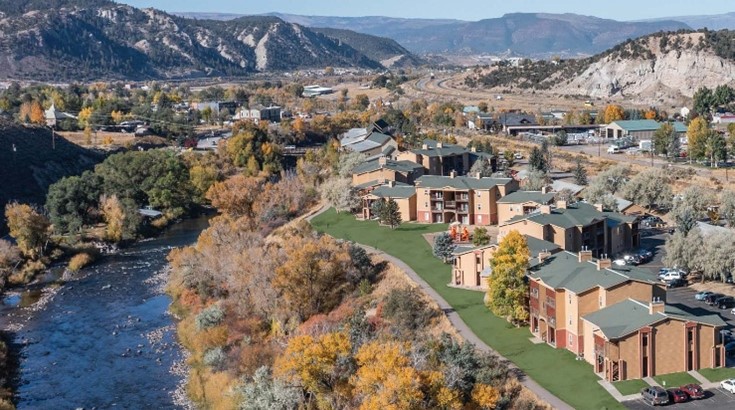
- Ulysses Development Group | Eagle Villas in Eagle
The Learning Center’s resources and all data and information provided therein (collectively, “Content”) are for general informational purposes only. All Content is provided “as is” and may no longer be current or up to date. Enterprise Community Partners, Inc., its subsidiaries and affiliated entities (collectively referred to as “Enterprise”) as well as any co-authors of any Content disclaim all liability for any errors or omissions and make no warranties or representations of any kind, either express or implied, regarding the accuracy, adequacy, validity, reliability, availability, or completeness of any Content presented. All Content should be independently verified by you before relying on it. The Content does not constitute professional advice or services (including but not limited to legal, financial, tax, or investment advice).
- Fact Sheet